Gaussian SplattingBurbank & Albuquerque
CastleVision 3D: Gaussian Splatting Virtual Production Sets
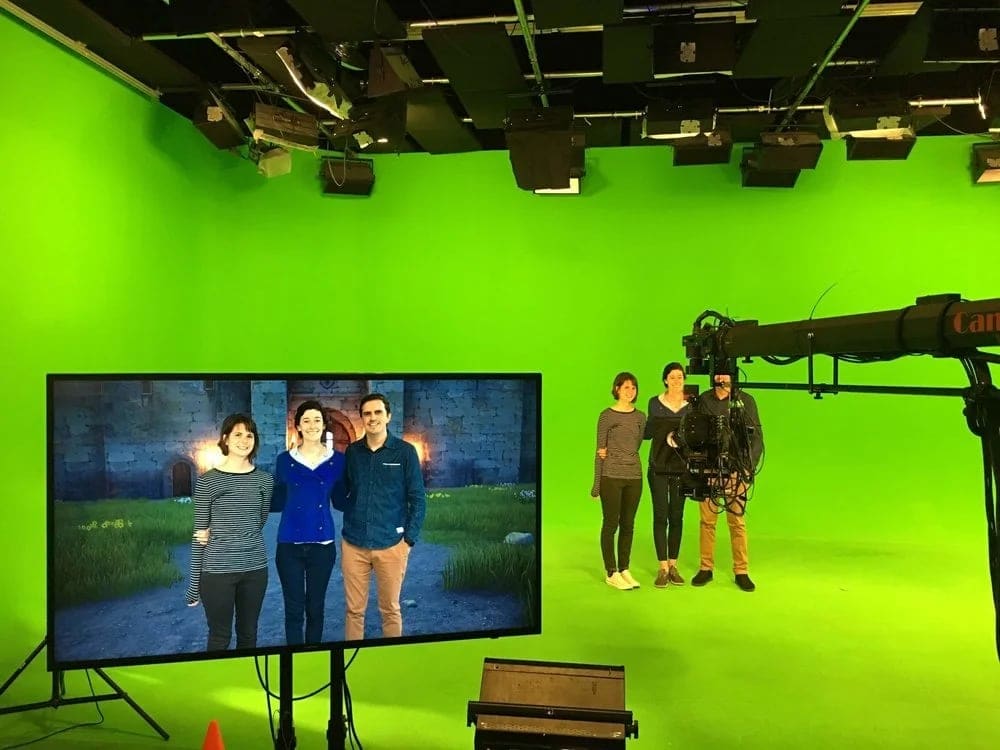
A real place scanned into a photoreal 3D set the camera can move through, then filmed live, in camera, in our Burbank or Albuquerque studio.
- Real places, captured in 3D
- Composited live, in camera
- ACES color, capture to render
- Green screen, not an LED volume
Or call 818-934-3775 Burbank 818-861-7317 Albuquerque
Productions that have trusted us
The networks, the streamers and the studios have all shot here.
Hart to Heart, Aquaman 2, Inventing Anna, Bosch, The Mummy, Greenland, Deadliest Catch and national spots for T-Mobile, Amazon and Domino's. Full credit list








What it is
Gaussian Splatting, brought up to film-set standards
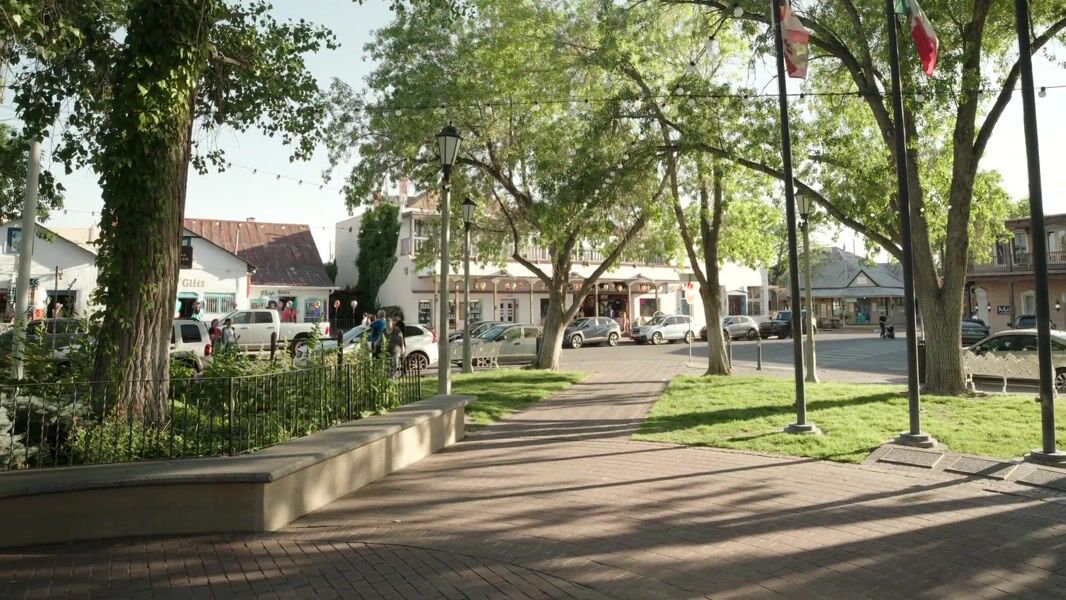
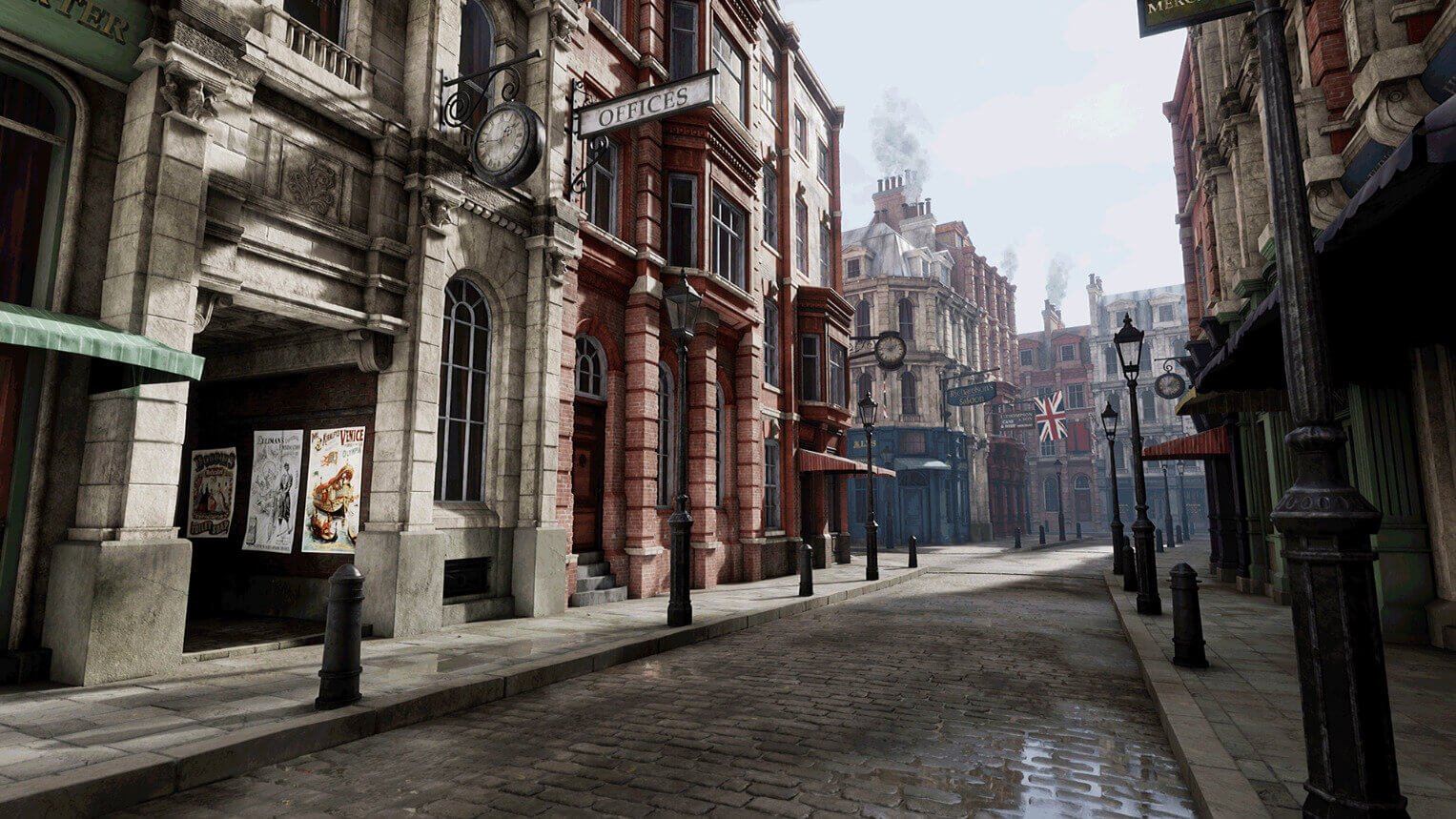
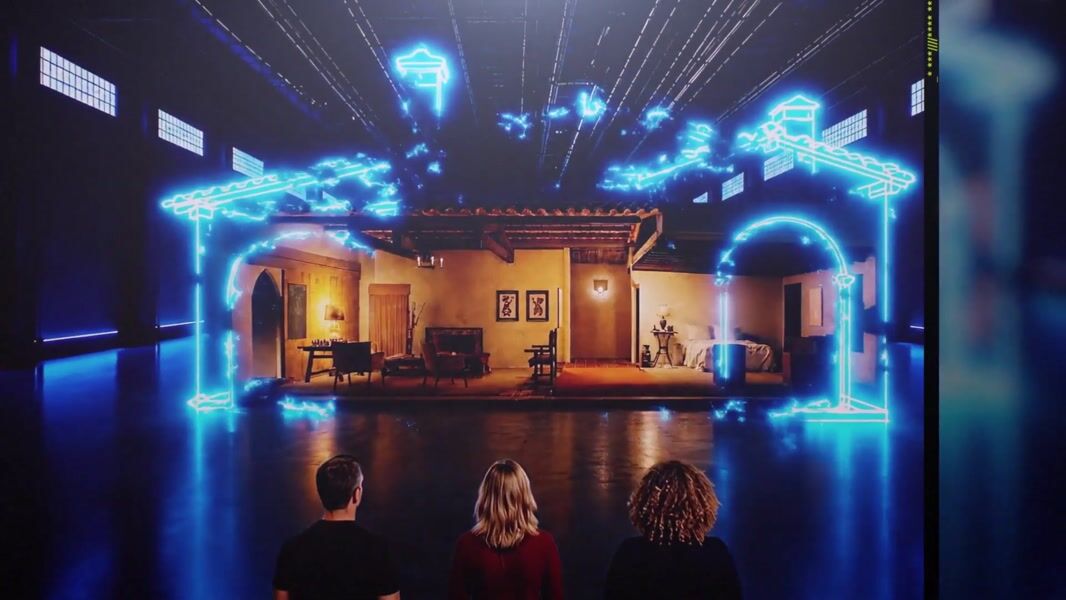
CastleVision 3D is a real place scanned into a photoreal 3D set the camera can move through in any direction, using a technique called Gaussian Splatting. We pair it with our patented CastleVision method, so the location is a photoreal virtual set that appears around your talent live, in camera, on our stage. You see the finished shot on the monitor while you film. Film-grade detail, accurate color, and it runs at both of our virtual production studios, Burbank and Albuquerque.
3D Gaussian Splatting captures a real-world location as a photoreal 3D scene: not approximated with polygons, not faked with parallax, but reconstructed and rendered in real time. The scene is stored as millions of tiny oriented Gaussians, three-dimensional splats with color, opacity and view-dependent shading. Move the camera through it and every splat responds the way the real place would. Reflections shift and depth and parallax hold, so on camera it holds up the way the real place does.
What CastleVision 3D adds to a standard splat workflow
Most splat tools are built for AR demos and game engines, not film. We handle the parts of the pipeline they leave out:
- Production-grade capture, so the scene’s lighting matches what you will shoot
- ACES color management from capture to render: film color standards throughout
- Splat cleanup, optimization and re-lighting for the live, in-camera composite
- Integration with our Unreal Engine pipeline, so a splat scene behaves like any other virtual set on the stage
- Camera-tracked playback, so the splat updates correctly with every crane, dolly or jib move
What that adds up to: a production-ready, film-color-accurate 3D capture of a real location, interior or exterior, day or night, with its natural light and depth intact, playing live as your actors perform inside it.
See it in action
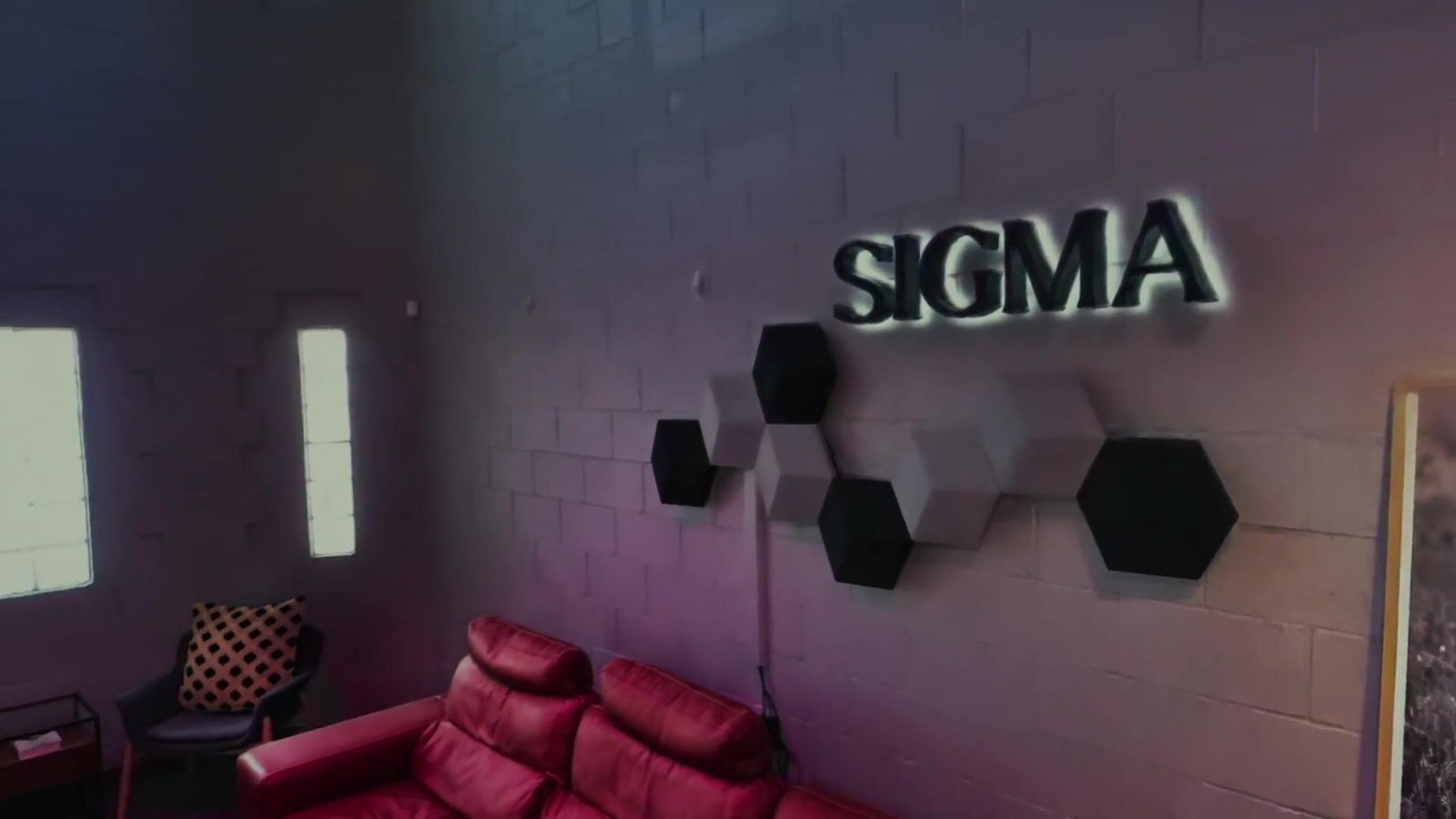
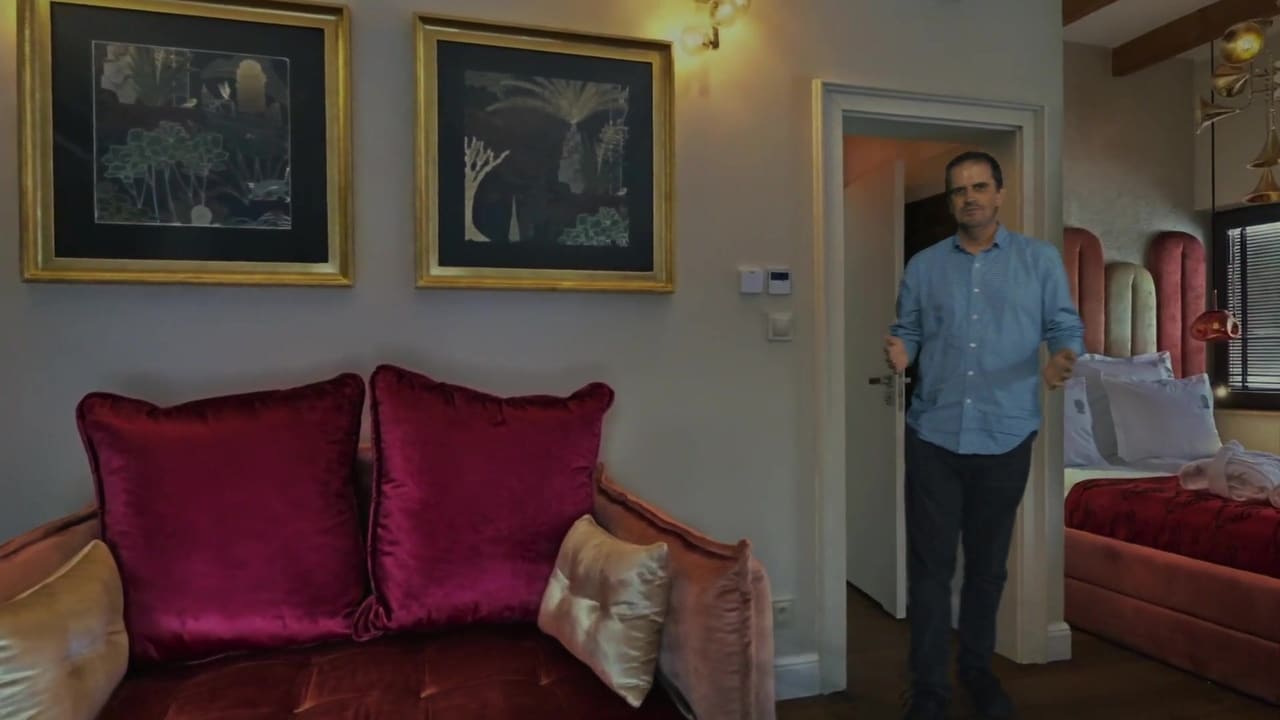
CastleVision 3D captures, running live.
Real locations reconstructed as photoreal 3D Gaussian splats, playing on the stage. Hover to preview; click to play with sound. Tap to play with sound.
How it works
How a Gaussian splat becomes a set you can shoot
Capture, train, polish, render: at film-set standards, from the location to the live composite.
-
Capture
We capture the location with our multi-camera rig: hundreds to thousands of calibrated images covering every angle, every height and every lighting condition the production needs.
-
Train
The capture is processed into a Gaussian splat: millions of oriented 3D points with view-dependent color and shading, ACES color managed end to end so the splat lands correctly when graded.
-
Polish
Splat cleanup, re-lighting and scene optimization. We remove the artifacts standard splat workflows leave behind, so the scene reads as a real location, not a tech demo.
-
Render, live
The polished splat loads into our Unreal Engine and CastleVision pipeline and renders live on the stage: camera-tracked, multi-camera ready, composited in camera.
The last step runs on the same live pipeline as every set in our Unreal Engine virtual production studio, with a render system per camera, camera tracking and live keying. The technology on the floor lists the systems at each studio.
Check availability
Bring us a location. We'll capture it. You'll shoot it.
Tell us the place, how you plan to shoot it and your dates. A producer replies with availability in Burbank and Albuquerque and a quote.
- A real place scanned into a photoreal 3D set, composited live, in camera, with the operator who runs the virtual sets included
- Two studios: Burbank, California and Albuquerque, New Mexico, with the state’s 30% refundable credit
- Quoted against your actual shoot, never a rack rate. See what drives the cost
Rather talk it through? 818-934-3775 · Burbank
818-861-7317 · Albuquerque
Got it. Thank you.
Your inquiry is in.
A producer will reach out to talk through your project and next steps. Need us sooner? Call 818-934-3775 (Burbank) or 818-861-7317 (Albuquerque).
Why it matters
Why shoot a real location as a Gaussian splat
A real location, lit how it actually looks, on our stage.
Photoreal beyond what polygons can do
Traditional 3D environments rely on artists modeling and texturing. Even the best work takes weeks and still reads as artist-made. Gaussian Splatting captures the light of the real place, including the half-shadowed corner, the gloss on the stone and the depth in the foliage, and reconstructs it for the camera.
ACES color, film-grade workflow
Built for the cinematographer, not a game engine. We process everything through ACES from capture through render, so the splat sits correctly in the frame on the day and lands where the colorist expects it.
Locations you can't bring a crew to
A building slated for demolition. A historic interior you can't get a permit for. A foreign location your budget can't fly a company to. Capture it once and the location becomes a standing set you can reload for pickups, with no rebuild. It is one of three ways to get any location, alongside the 250+ ready-to-load virtual sets (the apartment sets, for example) and custom builds by our artists.
Real time on set
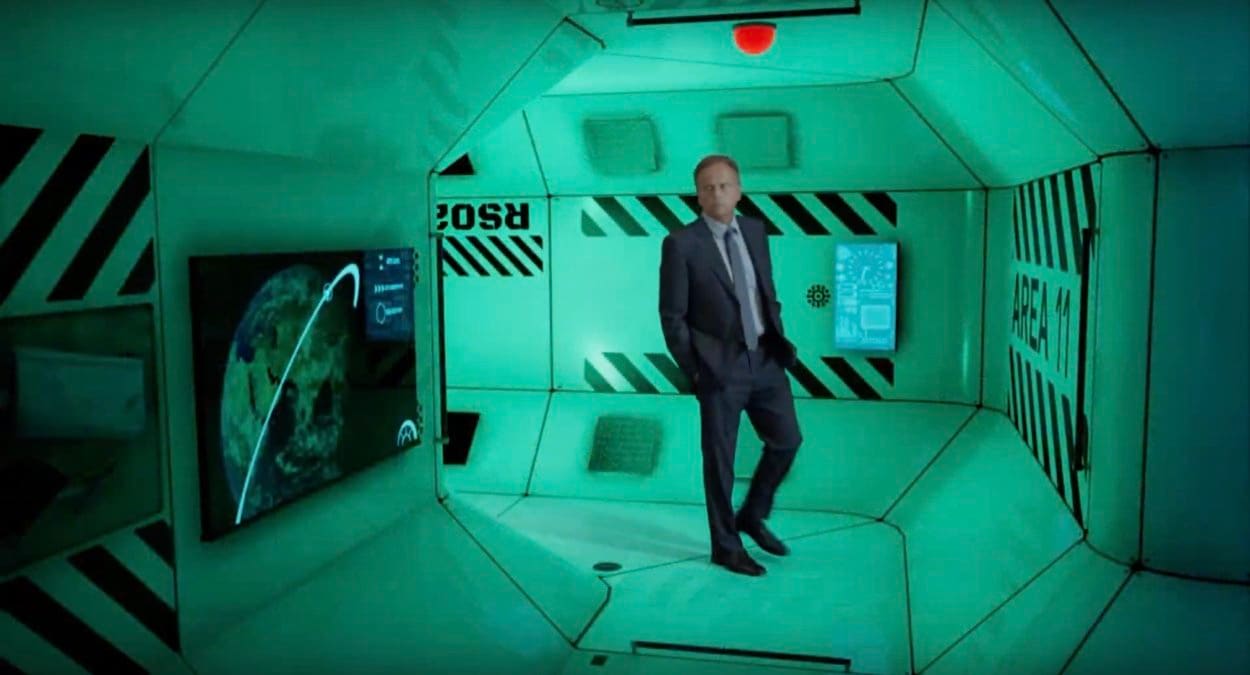
Like the rest of our pipeline, the splat scene composites live onto the green screen in camera, so the director sees the final shot on the monitor as it's shot. The cast performs inside the actual world. No post-compositing required.
Gaussian splatting virtual production without an LED volume
Much of the talk about Gaussian splatting in virtual production assumes an LED volume. We don’t shoot against an LED volume. The splat renders into a live composite on a green screen, and each camera gets its own render, so three cameras can move in different directions and each sees the location from its own angle. Virtual production beyond LED walls explains the difference.
Questions
CastleVision 3D and Gaussian Splatting, answered
- What is Gaussian Splatting?
- 3D Gaussian Splatting is a way of capturing a real place as a photoreal 3D scene. The location is stored as millions of tiny oriented Gaussians, three-dimensional splats with color, opacity and view-dependent shading, so when the camera moves, reflections, depth and parallax behave the way they do in the real place.
- What is CastleVision 3D?
- CastleVision 3D is a real place scanned into a photoreal 3D set the camera can move through, using a technique called Gaussian Splatting. We add production-grade capture, ACES color management, splat cleanup and re-lighting, and camera-tracked playback in our Unreal Engine pipeline, and pair it with our patented CastleVision method, so the location appears around your talent live, in camera, on our stage.
- Do you need an LED volume to shoot a Gaussian splat in virtual production?
- No. We don’t put the splat on an LED wall behind the talent. It renders into a live composite on green screen, and each camera gets its own render, so three cameras can move in different directions and each sees the location from its own angle. You see the finished shot on the monitor while you film.
- Can you capture our own location?
- Yes. Tell us the place, whether it is a restaurant, a store, an office, a home or a historic interior. We capture it and bring it onto the stage, so the production shoots there without a company move and the business never has to close. Once captured, it lives on drives like every other set: no storage fees, and it can be reloaded for pickups months later.
- Where can we shoot a CastleVision 3D set?
- At both studios: Burbank, in Los Angeles, and Albuquerque, New Mexico. Both run the same CastleVision pipeline, and studio days in Albuquerque put a production on New Mexico’s 30% refundable film tax credit.
- How much does CastleVision 3D cost?
- Every production is quoted individually; there is no rack rate. Shoot days, crew size, set complexity, custom environment work and which studio you use drive the number. Send the location and your dates and a producer replies with availability and a quote.
Where CastleVision 3D fits in a production
The method a capture plays inside, the other ways to get a location, and the two studios that shoot it.
- The CastleVision method the patented live composite a 3D capture plays inside
- Any location, real or imagined library sets, custom builds and captures of real places
- Virtual standing sets a captured location stays standing between shoots
- Press junkets on your film’s sets capture the set before strike and bring the cast back into it
- Virtual production technology the tracking, keyers and render systems on the floor
- Unreal Engine virtual production the engine a splat scene loads into
- Virtual production beyond LED walls why we composite on green instead of a volume
- XR stage and extended reality real performers inside a digital world, live
- Green screen studio rental the cyc the live composite is keyed on
- Virtual set library 250+ sets ready to load today
- AI-generated virtual sets optional, human-led AI set drafting in prep
- Film studio rental features and series finished in camera
- Virtual production in Los Angeles the Burbank studio for series and features
- The Burbank studio 20-ft ceiling, 15 ft to grid, three tracked cameras
- The Albuquerque studio three ARRI Alexa 35 cameras; New Mexico’s 30% refundable credit
- Rates and what drives the cost how a production is quoted
Tours and live demos run by appointment at both studios. Send the location and your dates and a producer replies with availability and a quote.
Read more