Skip to content
L.A. Castle Studios
& ABQ Castle Studios
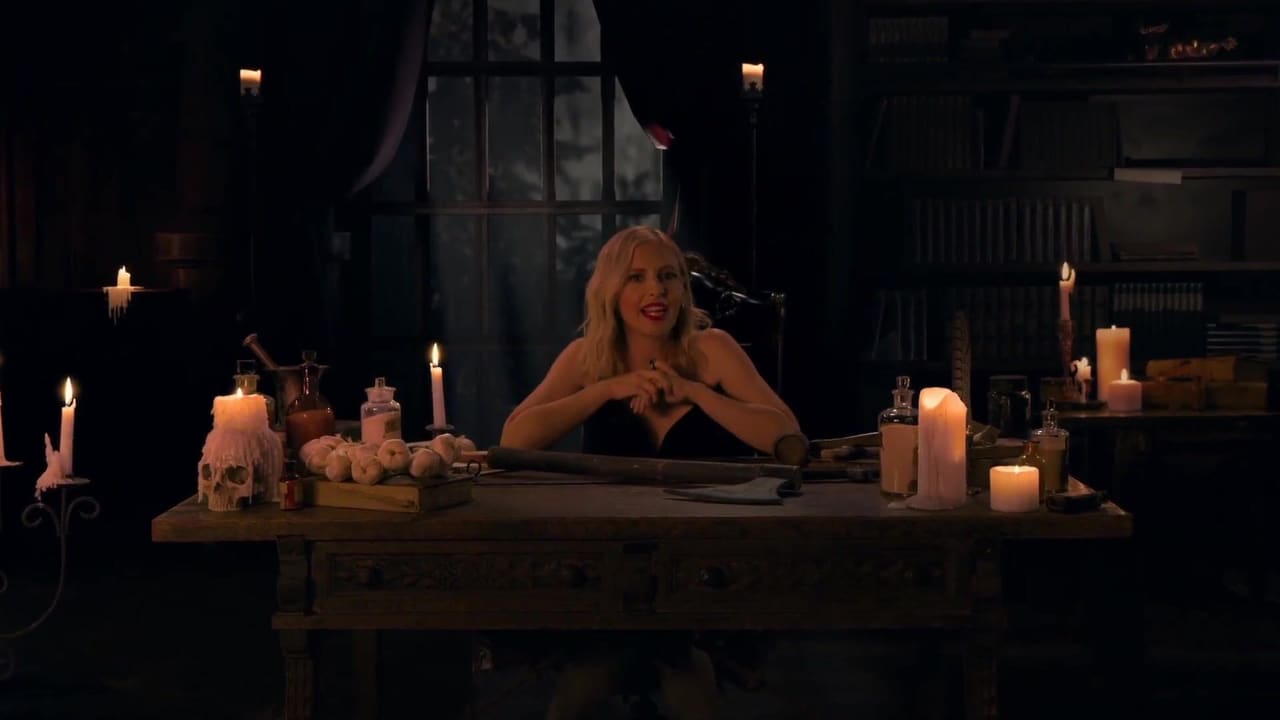
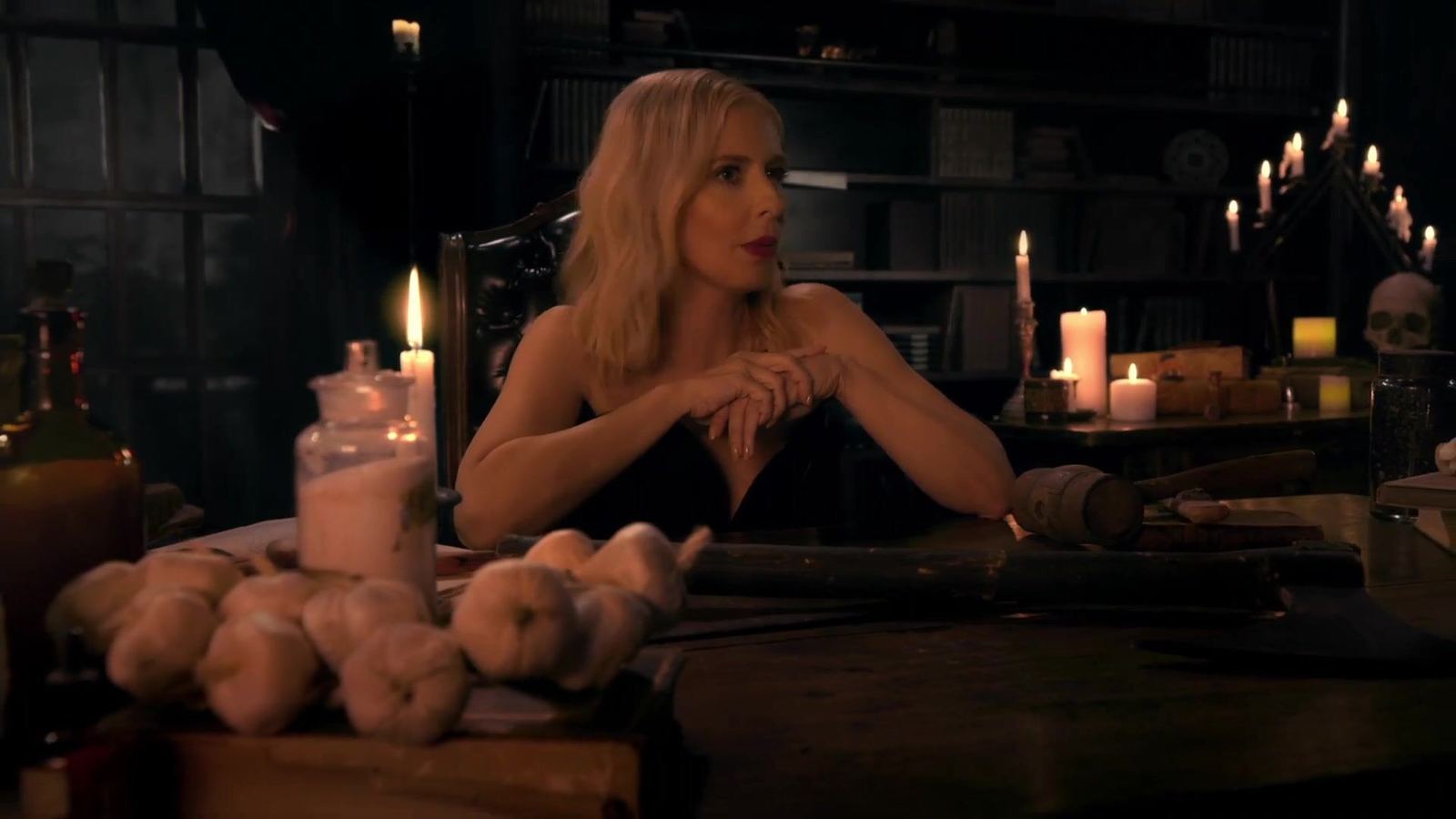
A candlelit gothic library scene finished in camera on green at L.A. Castle Studios, the in-camera look without an LED volume

LED volume alternative

Virtual production beyond LED walls, the LED volume stage alternative

Pricing an LED volume stage? Get the final image live in camera on green, with three cameras each getting its own render.

  • Three cameras, three renders, no shared wall
  • Set operator included
  • 250+ sets ready
  • Pioneered in 2007, two U.S. patents

Or call 818-934-3775 Burbank 818-861-7317 Albuquerque

Productions that have trusted us

The networks, the streamers and the studios have all shot here.

Hart to Heart, Aquaman 2, Inventing Anna, Bosch, The Mummy, Greenland, Deadliest Catch and national spots for T-Mobile, Amazon and Domino's. Full credit list

  • HBO
  • Netflix
  • NBC
  • CBS
  • Amazon Prime Video
  • Disney
  • Fox
  • BBC America

What you get

What you get instead of an LED volume stage

What is an LED volume stage? A sound stage wrapped in a large wall of LED panels, often with an LED ceiling. The panels show an Unreal Engine world rendered live for the tracked camera, the wall lights the actors, and the camera photographs actors and background together. The Mandalorian, shot on ILM's StageCraft volume, made the method famous. It is one way to do virtual production; our plain-English guide to virtual production covers the others.

If you're comparing LED wall studios in Los Angeles or pricing an LED volume stage rental, start with what you need from it: a photoreal world around your actors and the final image live in camera. We deliver that without an LED wall behind your actors. The location is a photoreal virtual set that appears around your talent live, in camera, on our stage. You see the finished shot on the monitor while you film, and the location can change between takes.

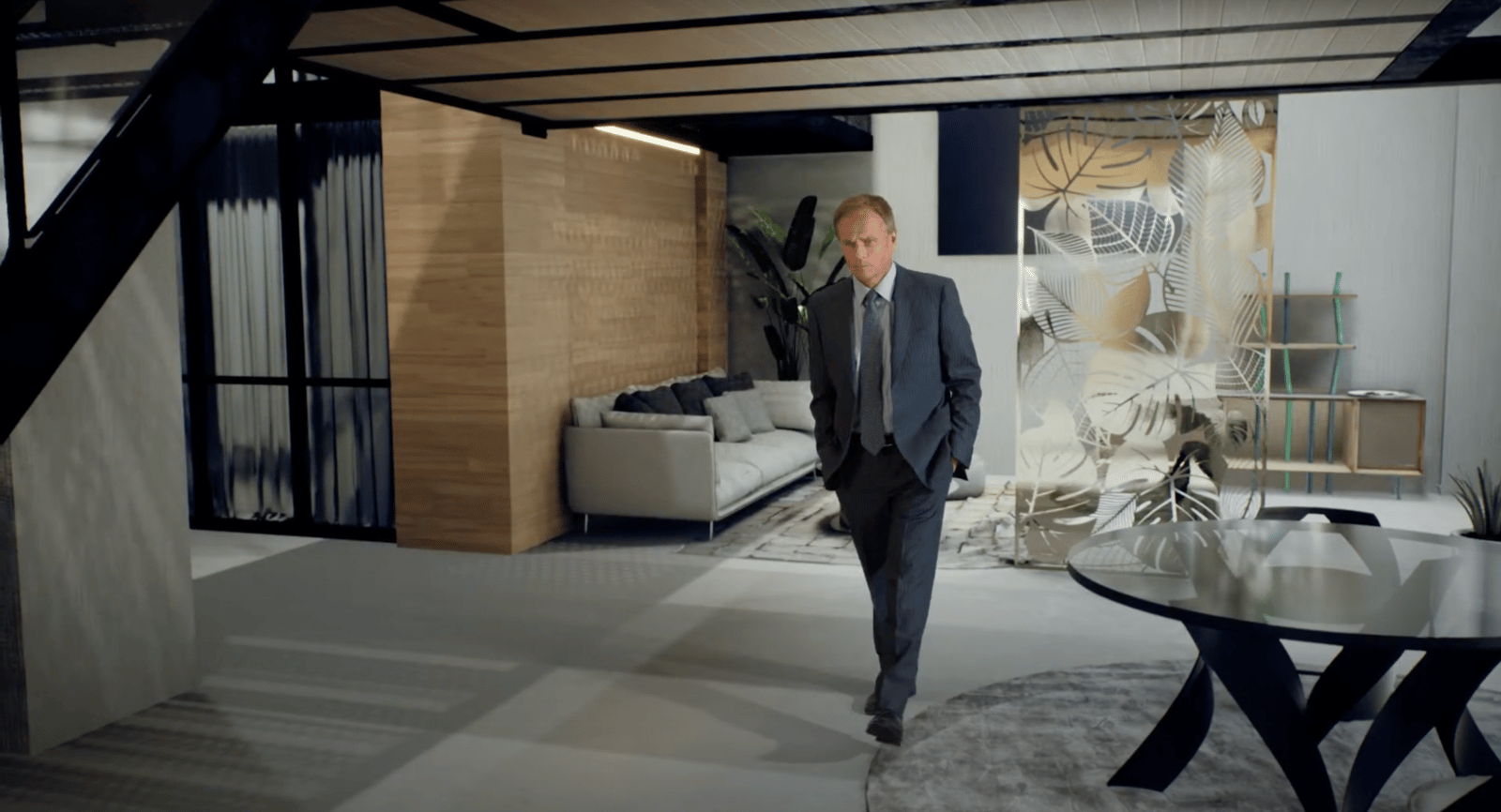
The method behind it, CastleVision, was pioneered in Burbank in 2007 and is now covered by two U.S. patents. Unreal Engine draws each set in real time, one render per camera, and live keyers composite your actors into it on a green screen cyclorama. The same pipeline and the same 250+ set library run at both studios: Burbank, our green screen virtual production studio in Los Angeles, and Albuquerque.

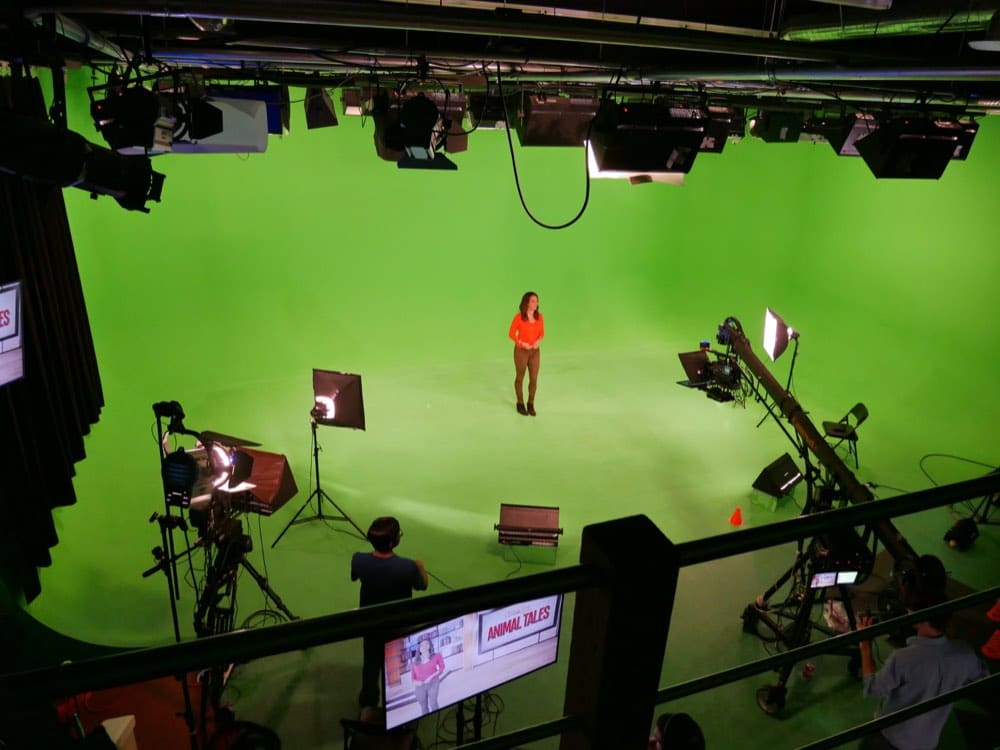
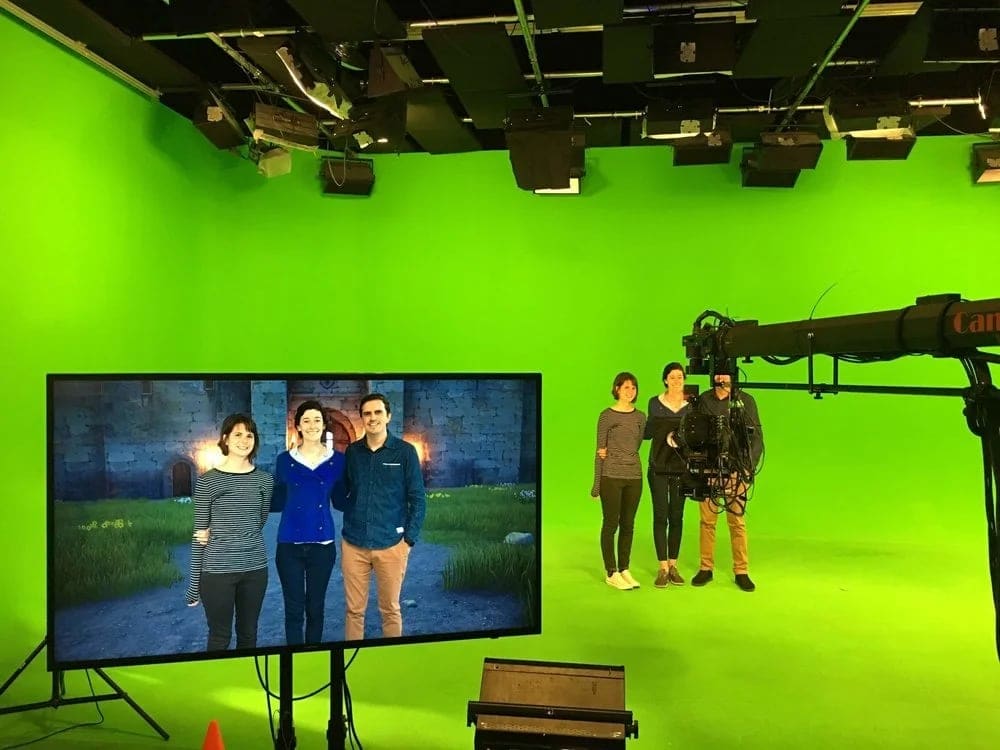
Wide view of the pre-lit green screen cyclorama at the virtual production studio in Burbank, Los Angeles
The pre-lit green screen cyclorama

Included in every rental

  • The studio, with the operator who runs the virtual sets in real time
  • 250+ ready-to-load virtual sets, swapped between setups
  • Lighting and grip already on the floor, plus the audio package
  • The teleprompter system
  • Dressing rooms, makeup, green rooms and production offices

Optional

  • Crew package with three camera operators, one on the jib. Or bring your own team
  • Custom virtual sets built to your spec by our in-house artists
  • A real place captured with CastleVision and brought onto the stage
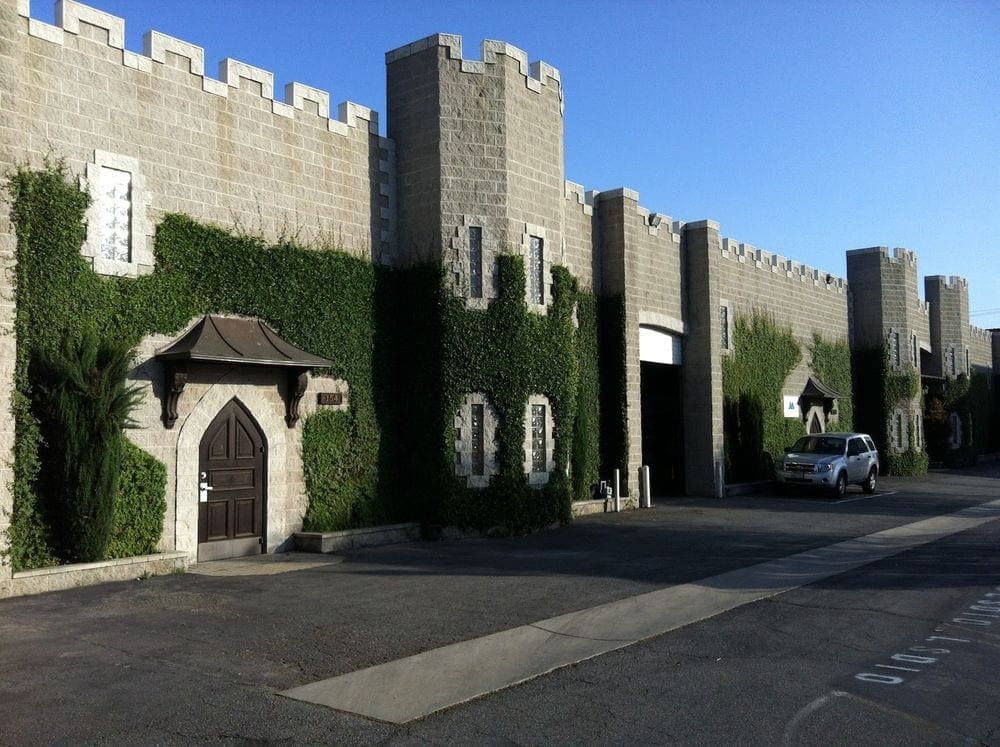
The ivy-covered castle facade of L.A. Castle Studios in Burbank

Spec sheet: Burbank (Los Angeles)

Render
Three Unreal Engine virtual studio systems, one per camera
Tracking
Mo-Sys StarTracker camera tracking
Keyers
Three Ultimatte 12 live keyers
Cameras
Three Panasonic Varicam 35 cinema cameras
Lenses
Fujinon Cabrio 20-120mm and 14-35mm cinema zooms
Movement
A 13-ft CamMate Encodacam jib, encoded Vinten heads and dollies
Height
20-ft ceiling, 15 ft to grid
Cyc and power
Pre-lit green screen cyclorama, silent HVAC, isolated power
Lighting
Fiilex RGBW matrix and Astera tube lighting, a two-ton grip package
Video village
A giant LED video village where the whole team watches the finished composite. A monitor, not the background
Audience
Stadium-style seating built into the stage
Access
20+ parking spaces and drive-on load-in

154 S. Victory Blvd, Burbank, about 5 minutes from Warner Bros.

The Burbank studio →
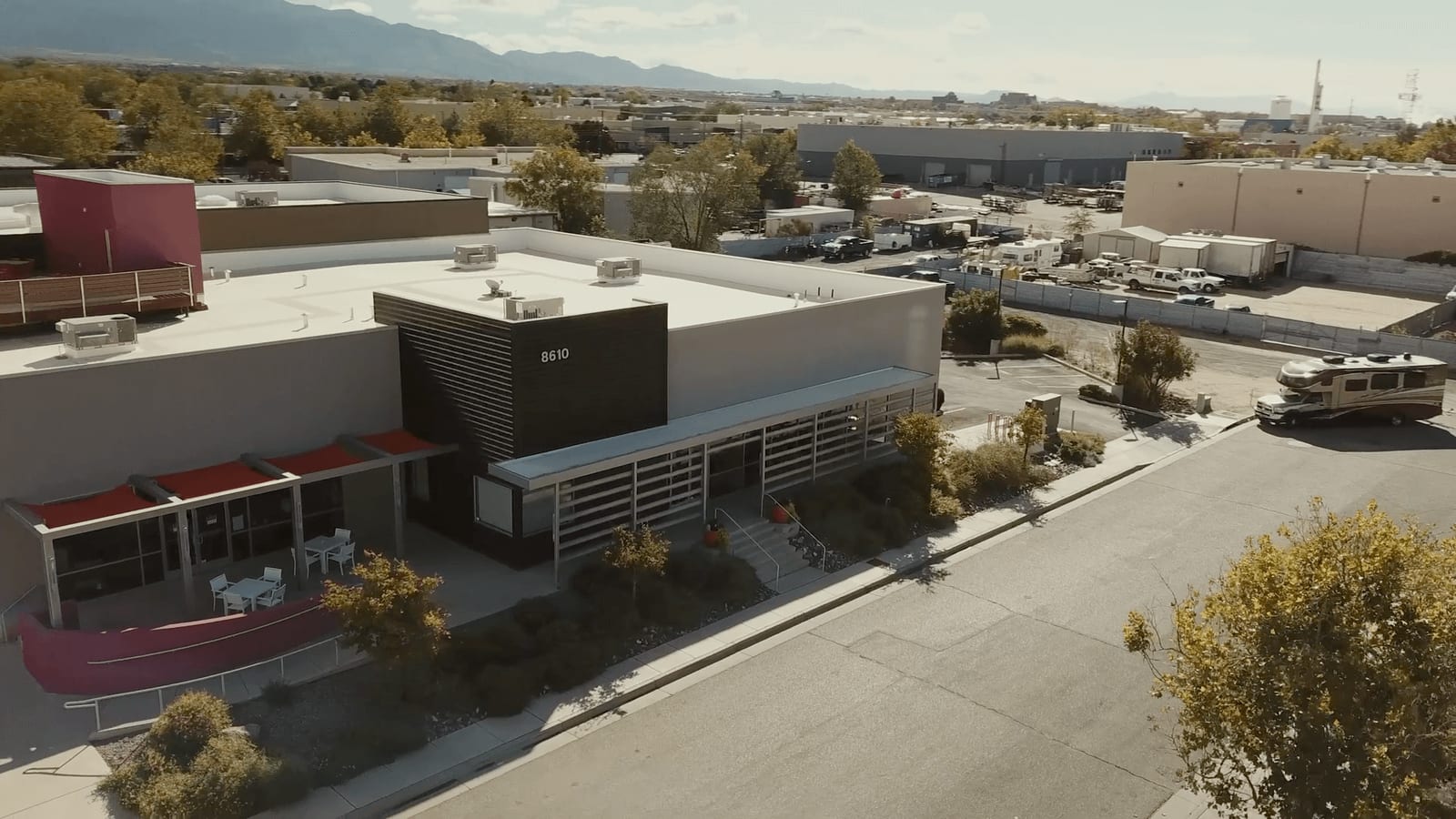
The ABQ Castle Studios building in Albuquerque, New Mexico

Spec sheet: Albuquerque

Render
Unreal Engine render and playback machines
Tracking
Three camera- and motion-tracking systems
Keyers
Three Ultimatte live keyers
Cameras
Three ARRI Alexa 35 cinema cameras
Lenses
Fujinon 14-35mm and 20-120mm cinema zooms
Movement
A carbon-fiber telescoping crane with dolly and ARC compensation, carbon-fiber pedestals
Lighting
Green screen cyclorama lit by 36 Aputure Nova P300c fixtures across the grid and floor
Audience
Audience seating available
Access
Extensive parking and easy load-in
Props
A full furniture and prop warehouse on site
Tax credit
A New Mexico Qualified Production Facility: 30% refundable credit on qualified spend

One of the largest virtual production stages in the world.

8610 President Pl NE, Albuquerque, about 10 minutes from the Sunport.

The Albuquerque studio →

Every rental is quoted to the shoot: days, crew size, set complexity and which studio you use drive the number. See what drives the cost, or book a studio tour and watch a set load live on the cyc.

Watch the reel

The LED volume look, finished in camera on green

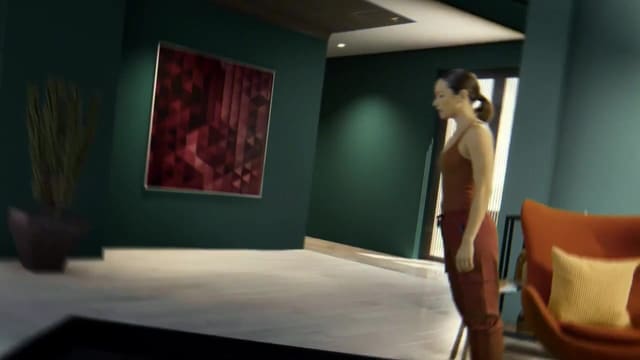
Finished in camera on green, with no LED volume anywhere. The News Set clip cuts between the raw green cyc and the finished frame; the CastleVision clip shows how a real place is captured. Hover to preview; click to play with sound.

Diablo IV — S. M. Gellar, shot at L.A. & ABQ Castle Studios

Diablo IV

S. M. Gellar

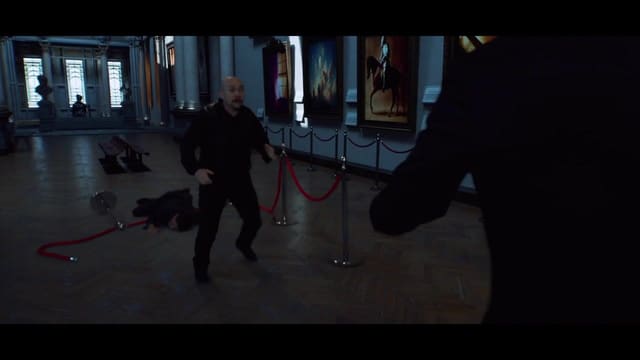
Film & TV — Feature & episodic, shot at L.A. & ABQ Castle Studios

Film & TV

Feature & episodic

Excedrin — Two worlds, one spot, shot at L.A. & ABQ Castle Studios

Excedrin

Two worlds, one spot

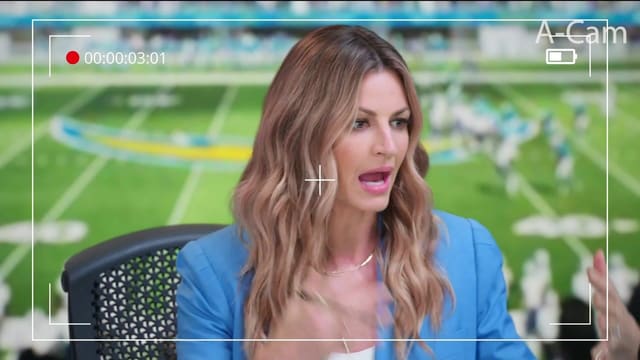
News Set — Green cyc to finished frame, shot at L.A. & ABQ Castle Studios

News Set

Green cyc to finished frame

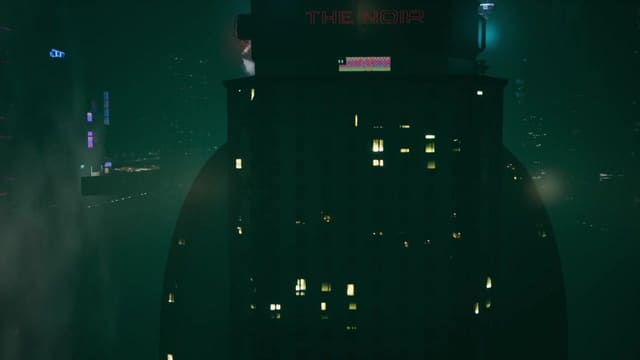
Future L.A. Rooftop — Built from scratch, shot at L.A. & ABQ Castle Studios

Future L.A. Rooftop

Built from scratch

CastleVision — Real location capture, shot at L.A. & ABQ Castle Studios

CastleVision

Real location capture

Worlds without a wall edge

Virtual sets with no LED wall edge

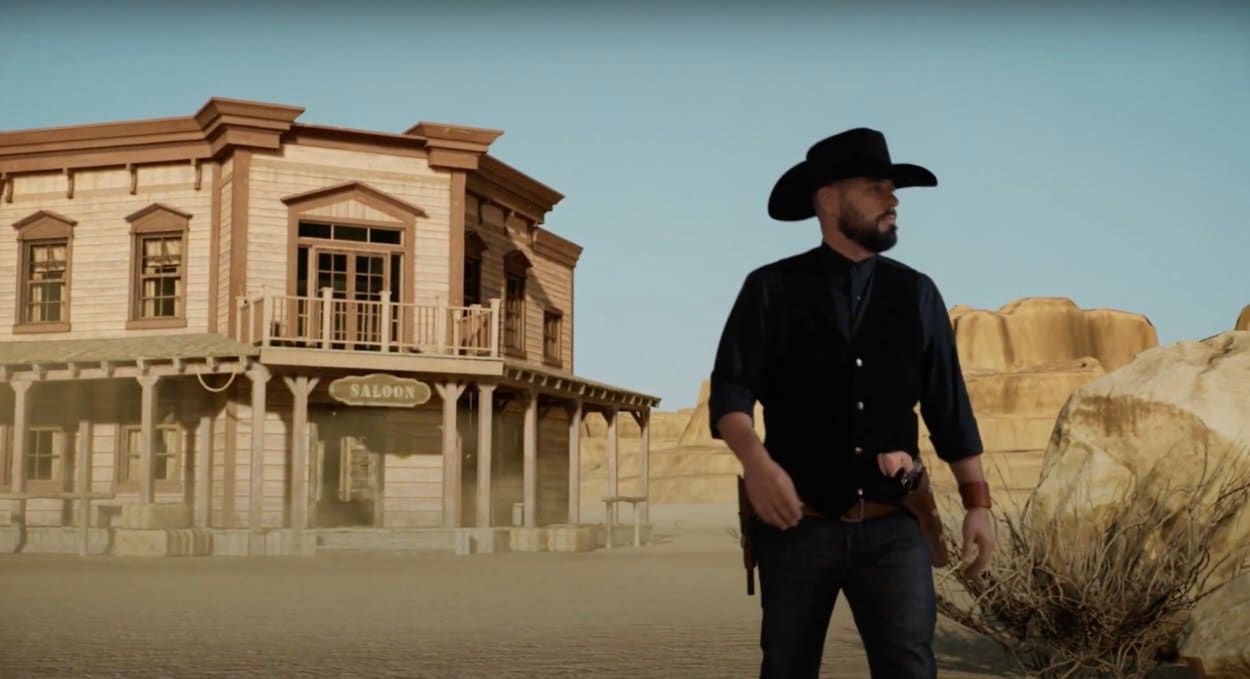
An LED volume's world ends where the panels end. On green the set is drawn for wherever the tracked camera points: open desert, a mountain range, a New York street, plus the cockpits, bridges and train cars a volume is often booked for. Each one loads between setups.

Check availability

Pricing an LED volume? Send your dates and see the alternative live

Tell us the shot, how many cameras and how they move. A producer replies with availability at both studios and a quote, and can arrange a live demo on the floor.

  • Turnkey: the studio, the sets, lighting, grip, audio and the operator who runs the virtual sets are included
  • Three cameras at once, each with its own render, tracking and live keyer
  • Burbank or Albuquerque (30% NM refundable credit), quoted against your shoot, never a rack rate

Rather talk it through? 818-934-3775 · Burbank
818-861-7317 · Albuquerque

We reply to this address.

A producer will get back to you about your project. No spam, ever. By sending this you agree to our privacy policy.

Side by side

LED volume vs green screen, and the live composite in between

Most comparisons of LED volume vs green screen assume green screen means fixing it in post. There is a third way. An LED volume puts a giant video wall behind your actors and photographs it. It is impressive, and for some shots it is the right tool. A traditional green screen studio adds the background after the shoot. Our patented pipeline composites the world live on green, rendered separately for each camera, so you see the finished shot on set the way you would on a volume.

LED volume compared with green screen keyed in post and a live in-camera composite on green
Behind the actors A wall of LED panels showing the virtual world A green screen A green screen cyclorama, with the virtual world composited live, in camera
When you see the finished shot On set, through the camera In post, after the crew has wrapped On set, on the monitor while you film. In Burbank the whole team also watches it on a giant LED video village.
Several cameras moving independently Cameras share one wall surface, so competing cameras moving in different directions cannot each show the same space Yes, each angle is composited later Yes, three cameras, three renders, no shared surface
Where the world stops Where the panels stop, at the edges of the wall Wherever post draws it Nowhere. The set is drawn for wherever the tracked camera points.
Fast camera moves The wall image has to be right when the shutter opens Tracked and fixed in post The foreground waits for the render, so moves stay locked. The monitor feed runs a beat behind, and the recording does not.
Reflections and light from the world Real reflections and interactive light from the wall Added in post Lit with stage fixtures to match the set on the monitor. For shots that live on reflections, a volume may be the better tool.
What the cast sees The world around them Green The finished composite on monitors around the stage, plus real desks, furniture and props that blend with the set
Changing location New content made and loaded for the wall Decided in post Load a different set from the 250+ library between setups
How the cost works The wall and the team that runs it The studio day, then compositing every shot in post One turnkey studio quoted to the shoot, with the operator who runs the virtual sets included

Two more differences

Pioneered in 2007, now patented.
Two U.S. patents, and the same pipeline at two studios, so a production can split between Burbank and Albuquerque without losing continuity.
No wall to rent and staff.
You rent a turnkey studio, not a wall and the team to run it. The operator who drives the sets is included.

A different world between setups: a desert with cliffs in the morning, a spaceship cockpit after lunch. Browse every desert set or spaceship interior, and if the world you need is not in the library, our artists build it or we capture the real place. For augmented and mixed reality on the same floor, see XR stage rental in Los Angeles; for the hardware, see virtual production technology.

Format by format

Choosing between an LED volume and a live composite

The right tool depends on the format and on the shots that matter most. Here is how we would call it, format by format.

Talk shows and game shows.
Three cameras cut between host, guests and contestants all day. Here each camera has its own render, tracking and live keyer, so every angle shows the set from its own point of view, and the audience sits in stadium-style seating in Burbank or in audience seating in Albuquerque. See our talk show sets and game show sets.
Features and drama series.
Coverage means cameras moving in different directions through the same space, which one shared wall surface cannot show. Albuquerque is our feature film studio and a New Mexico Qualified Production Facility, so studio days there put a production on the 30% New Mexico film tax credit track. More on film studio rental and the Albuquerque film studio.
Commercials.
A volume shows the content loaded on the wall, so a new location means new wall content. Here the next set loads between setups, so six spots in six locations fit one shoot day. See commercial studio rental.
Music videos.
Five looks in one day, each one final in camera the way it would be on a volume, without new wall content per look, so the edit starts the next day. See the music video studio.
Host wraps and promos.
Three cameras on the host with no shared wall to divide between them, and a full season of wraps batched in a day, loading a new set between setups. See host wraps.
Car, chrome and reflection-heavy work.
The next section says when an LED wall is the better tool for those shots.

Where LED wins

Where an LED wall is the better tool

Better you hear it from us than on a tech scout. An LED wall lights the actors with the world itself, so reflections in glass, chrome, water, visors and eyes come for free, and the cast can see the place they are playing to. If your key shots live on reflections or on light that moves with the world, a volume may be the right call.

Most coverage does not. In Burbank the finished composite also plays on a giant LED video village, a monitor for the whole team rather than the background, so everyone sees the world as it is shot. On green the DP lights the foreground to the set everyone can see on the monitor, and real desks, furniture and props blend with the virtual environment. Tell us the shot when you check availability and we will say plainly which tool fits it.

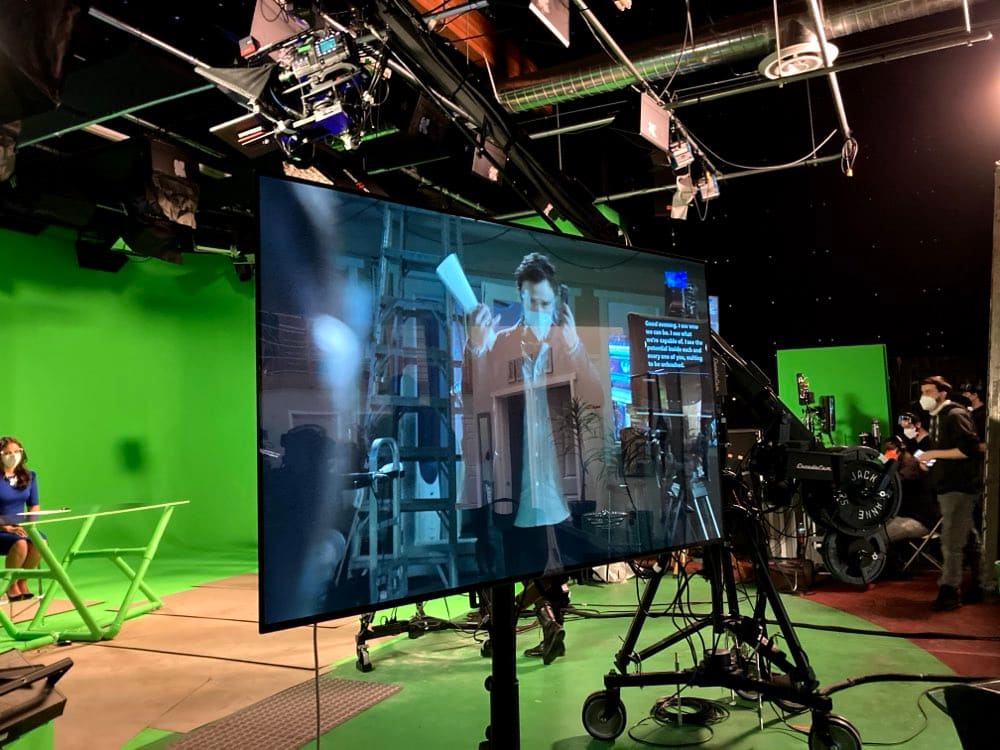
Crew shooting against the green-screen cyclorama at the Burbank film studio while a live in-camera composite plays on the monitor
Burbank: crew on the green screen cyclorama under the grid

LED volume questions

What is an LED volume stage?
A sound stage wrapped in LED panels that show an Unreal Engine world behind the actors, photographed in camera. Productions book one for The Mandalorian-style in-camera shots; we reach the same result on green, with a live composite for each camera, and the table above compares the two.
Is this an LED stage? Do you shoot on an LED volume?
No, and that is by design. Neither studio shoots against an LED wall. We deliver what productions come to an LED volume for, real performers inside a photoreal world with the final image live in camera, using our patented real-time compositing on green. In Burbank a giant LED wall serves as the video village, where the whole team watches the finished composite; it is a monitor, not the background. Albuquerque has no LED wall.
LED volume vs green screen: what is the difference?
On an LED volume the world is on a wall behind the actors and is photographed in camera. On a traditional green screen the background is added in post, so nobody sees the finished shot on the day. A live composite on green sits between the two: the world is keyed in behind the actors in real time, one render per camera, and you see the finished shot on the monitor while you film. That third method is how both of our studios work.
Why go beyond the LED volume?
Coverage. On an LED wall every camera shares one surface, so several cameras moving in different directions through the same stretch of wall is the case a volume cannot do. On green each camera gets its own render: three cameras, three renders, no shared surface. There is also no wall edge or pixel pitch to frame around, and a different set loads between setups from a library of 250+.
Can you still deliver the in-camera LED-volume look?
Yes. Real performers are composited live into a photoreal world and the final look is on the monitor, with no waiting on post. That is the outcome producers want from an LED volume, delivered by a method we pioneered in 2007 and now protected by two U.S. patents. It has been used on major film, TV and broadcast credits.
How many cameras can shoot at once?
Three, at both studios. Each camera has its own Unreal Engine render, its own camera tracking and its own live keyer, so each operator can move independently and every angle shows the set from its own point of view.
How much does an LED volume stage cost compared with this?
We can only speak for our own pricing. Every production is quoted individually; there is no rack rate. Shoot days, crew size, set complexity and which studio you use drive the number. You are not renting a wall and the team to run it: the operator who runs the virtual sets is included, set construction is not required, and there are no company moves or location fees. Sets you shot can be recalled later with no monthly holding cost.
Can LED volumes and green screen be used together?
Yes. A production can split the work: if a few key shots depend on reflections or light cast by the world itself, book a volume for those and shoot the rest of the coverage here. Tell us the shots when you check availability and we will say plainly which tool fits each one.
Do actors see the environment like they would on an LED volume?
Not in the same way. On a volume the cast sees the world wrapped around them. Here they perform on a green screen cyclorama and see the finished composite on monitors around the stage, while the director watches the final shot live. Real desks, furniture and props on the floor blend with the virtual set.
Who runs the virtual sets?
The operator who runs the virtual sets is included in every rental and drives the environment in real time from the control desk, so you never hire a systems team. Camera crew is optional: book our crew package with three camera operators, or bring your own team.
Can I see it working before I book?
Yes. Producers with a project can book a tour by appointment at either studio. It includes a live CastleVision demo: we load a set, move the camera, and you watch the finished composite on the monitor.

Before you book an LED wall studio, compare these

How the live composite works, the two studios that run it, and the productions that shoot this way.

Tours and live demos run by appointment at both studios. Send your dates and a producer replies with availability and a quote.

Call Check Availability