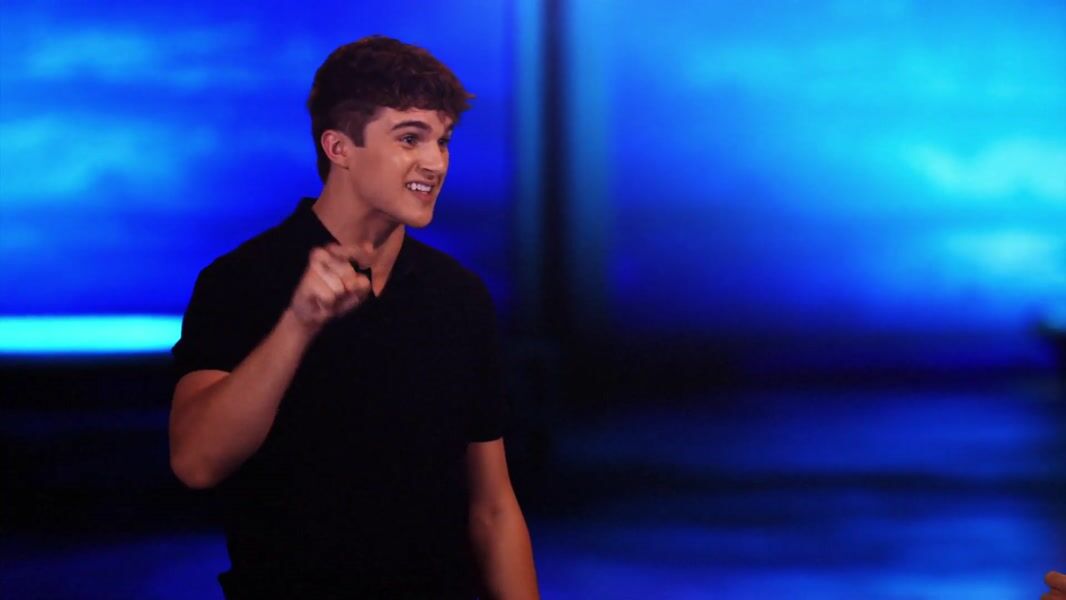
What Is a Press Junket? Meaning, Schedule, and How Studio Press Days Work
A press junket is a concentrated press event where a film or TV show's talent gives back-to-back interviews to dozens of media outlets in one place over one or a few days, timed just before release.
Studios use junkets to generate weeks’ worth of promotional coverage in a single scheduled day.
Planning one? See our press junket venue in Los Angeles: a studio built for the format.
If you’ve ever wondered why every outlet seems to interview a film’s stars in the same room during release week: that’s a press junket. Here’s the plain-English version of what a junket is, how the day actually runs, and why the venue matters more than most people think.
The definition
A press junket is a concentrated press event where a film or TV show’s talent, actors, directors, sometimes producers, sit for back-to-back interviews with dozens of media outlets over one or a few days. Instead of scheduling forty separate interviews across a month, the studio brings all the press to the talent at once, in one place, right before the release.
The word “junket” originally meant a pleasure trip, studios once flew journalists to lavish locations for these press days, and the name stuck even as the format tightened up.
How a junket day is scheduled
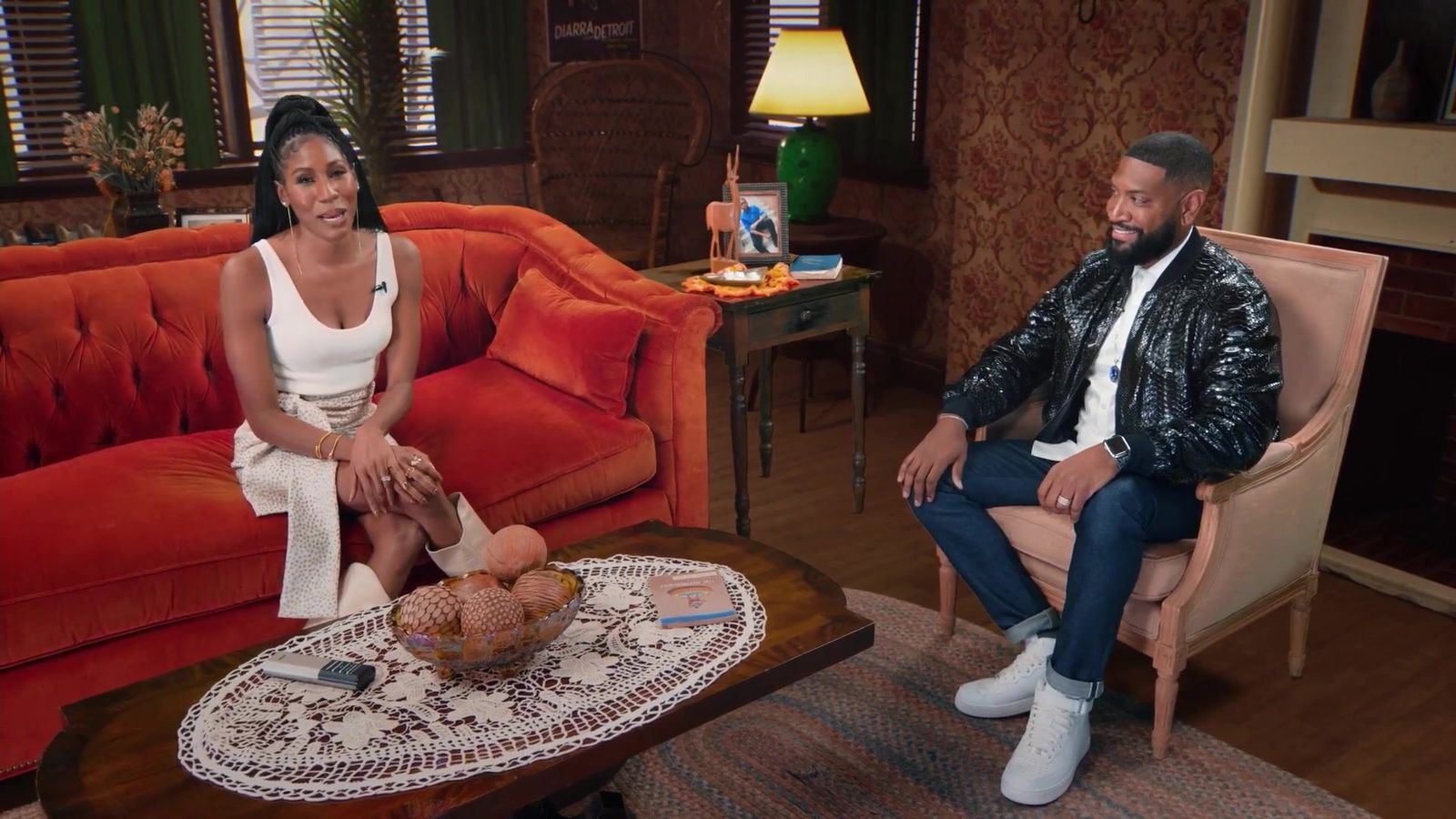
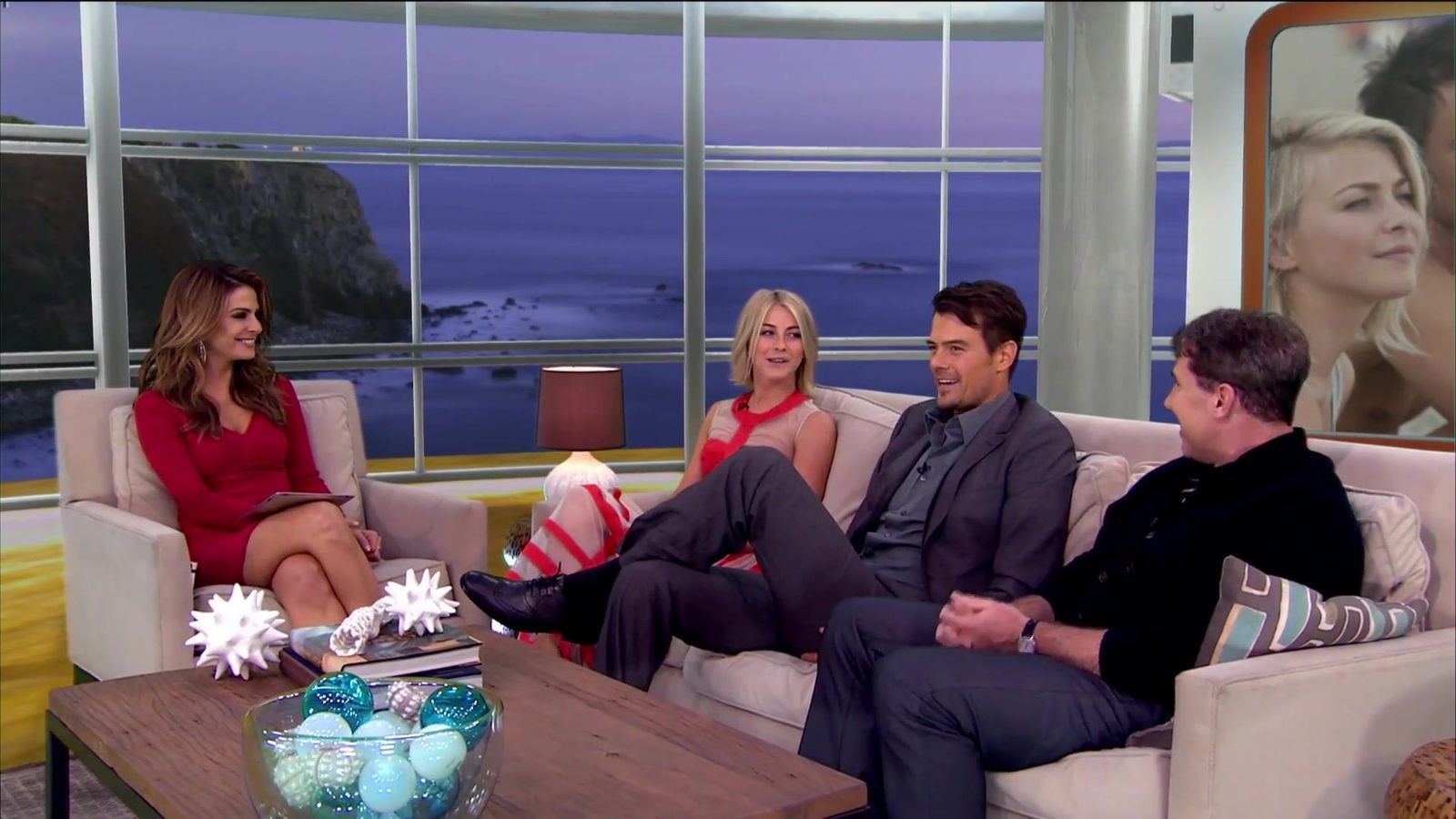
A living room interview set, the kind of look a full day of outlet slots can run on.
The mechanics are more industrial than glamorous:
- Interview blocks. The day is cut into short, scheduled slots, an on-camera TV interview typically gets four to six minutes before the next crew rotates in.
- TV vs. roundtables. Broadcast and online video outlets get individual camera slots; print and digital journalists often share longer roundtable conversations.
- The publicist runs the clock. A studio publicist keeps the rotation moving; a full junket day can push through dozens of outlets per talent chair.
- Everyone gets the same window. The interviews all air in the days around the premiere, which is why release week feels saturated with the same faces.
For the studio, one junket day replaces weeks of scattered press. For the outlets, it’s guaranteed access. For the talent, it’s a marathon. Which is why the venue’s green rooms matter more than the ballroom decor.
Why junkets matter for a release
Junket footage does heavy lifting for a release: it becomes the TV segments, YouTube interviews, social clips and quotes that build awareness in the exact window tickets go on sale. The more distinctive that footage looks, the more it gets aired and shared. And that’s where the venue choice shows up on screen.
Where junkets happen, and how that’s changing
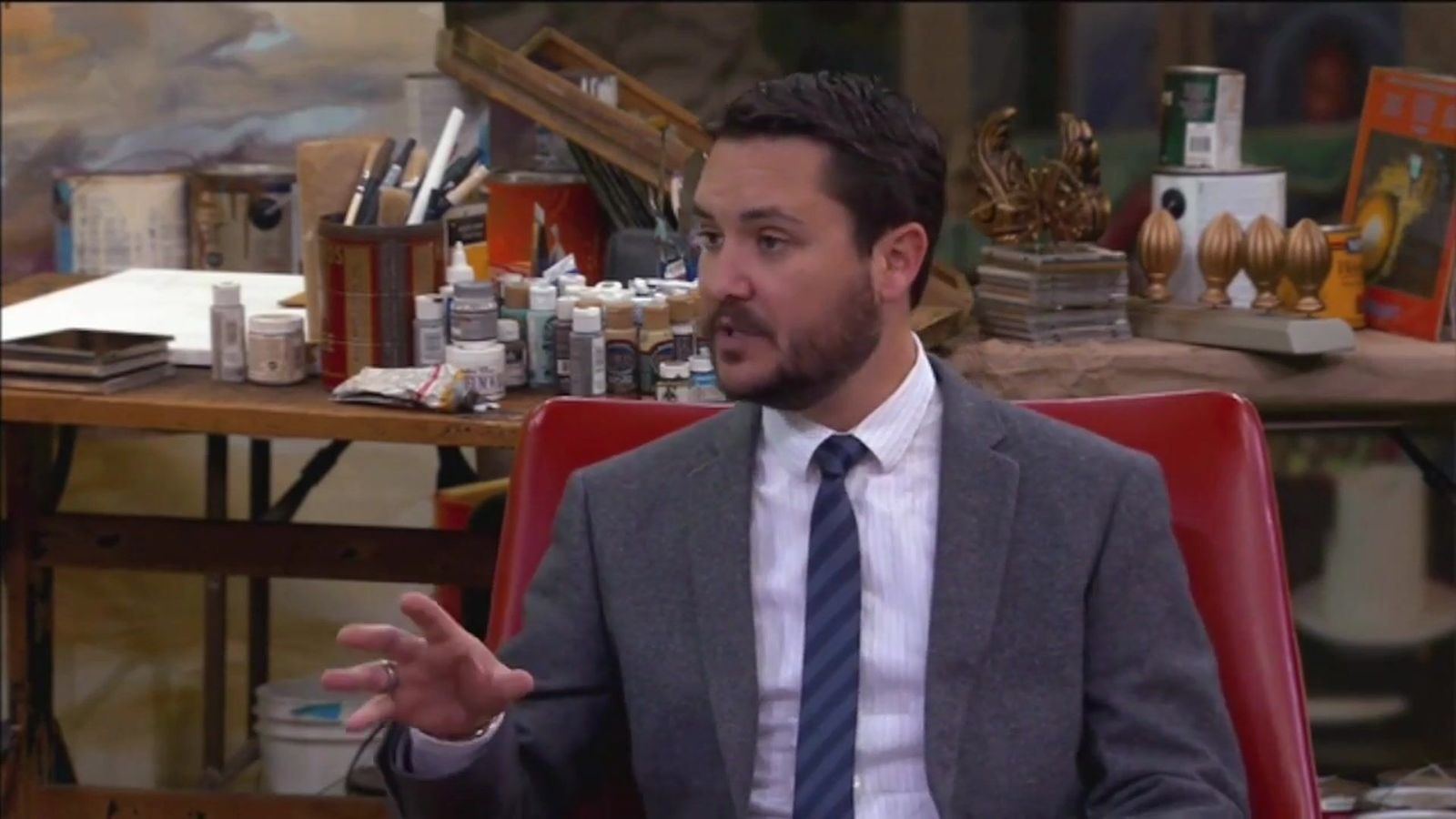
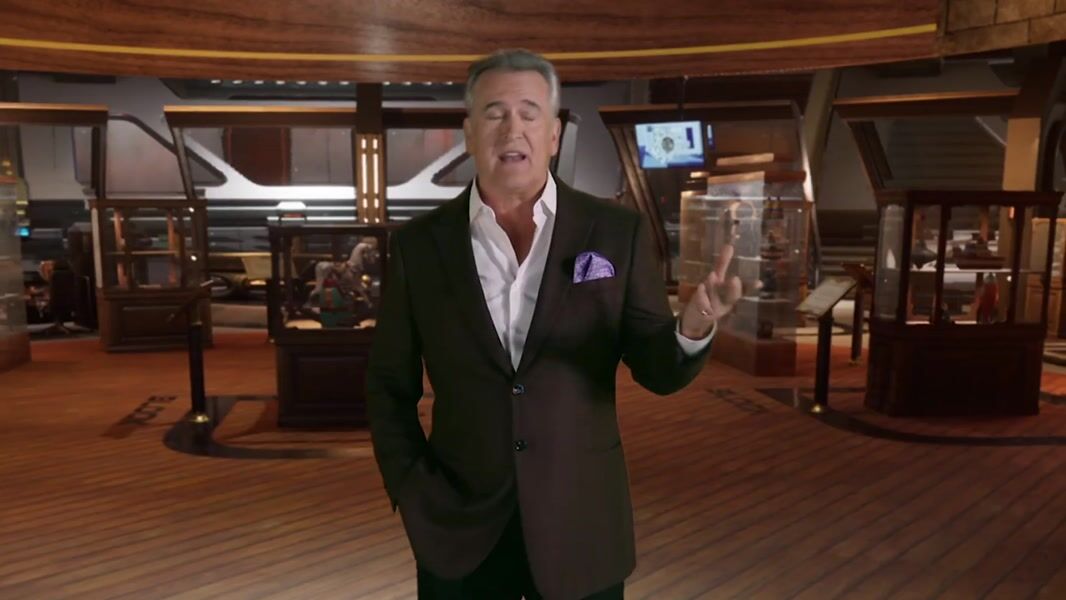
An artist’s workshop set behind a single interview chair, a backdrop no hotel suite can offer.
The traditional junket venue is a hotel suite: one backdrop, forty identical interviews. The emerging alternative is a production stage, where each outlet’s segment can look different. The backdrop can name-check the outlet live, or the show’s own world can surround the talent for every interview.
That’s the format we run at L.A. Castle Studios. Our press junket production studio works two ways: recreate the film or show’s set virtually, so talent sits back inside the story. Or run a talk-show/news-style junket where the backdrop changes per outlet in real time. Both happen at our press event venue in Los Angeles (Burbank) or our Albuquerque studio, with green rooms, teleprompter and parking as part of the building, and crew available.
And if you’re still in production now: capturing your sets with CastleVision before you strike them means your junket, and any pickups, can happen inside the film’s own world later, without a rebuild.
Planning a press day? Get in touch and we’ll walk you through both formats.
Frequently asked
- How long does a press junket last?
- Usually one to three days per city, broken into interview blocks. Each on-camera interview runs four to six minutes, scheduled back-to-back. On our stage that rotation moves even faster: the backdrop switches per outlet with no reset between interviews, our teleprompter pipeline keeps talent in flow, and green rooms, dressing rooms and two massage chairs keep the chair-time comfortable across a long day in Burbank or Albuquerque.
- What happens at a press junket?
- Talent and filmmakers rotate through short, scheduled interviews. TV crews get a few minutes on camera while print journalists share roundtables, and publicists run the clock. At L.A. Castle Studios, every rotation also gets its own look: the backdrop can name-check each outlet live, or the show's own world can surround the talent for every interview, so the footage each outlet walks away with looks produced for them: not cropped from a shared suite.
- What's the difference between a press junket and a press tour?
- A junket is one concentrated press day (or weekend) in one place, with the press coming to the talent. A press tour is the travelling version, city to city, mixing junkets, premieres and talk-show appearances over weeks. For the Los Angeles leg, teams book our Burbank stage; productions shooting or promoting in New Mexico use our Albuquerque stage, which needs no film permit.
- Where are press junkets held?
- Traditionally in hotel suites and ballrooms: one backdrop, forty identical interviews. Our stages in Burbank and Albuquerque are the purpose-built alternative: the backdrop changes per outlet in real time, or we recreate the film or show's own set virtually with our patented CastleVision method, so talent sits inside the story. Teleprompter, green rooms, easy load-in and 20+ parking spaces come with the building, and crew is available.