How to Produce a Talk Show: Set, Studio & Workflow Guide
Talk shows are one of the most producible formats in television: the format is repeatable, the coverage is standardized, and the whole machine is designed to turn around episodes fast. Here’s how to set one up, step by step, from rundown to record day.
1. Lock the format and build a rundown
Before any studio decisions, decide what an episode is: length, number of guests, segment order, recurring bits. Then write it as a rundown, a segment-by-segment timing sheet the whole crew works from. A tight rundown is what lets a talk show record an episode in roughly real time instead of drifting into a half-day shoot per guest.
2. Design the set, or skip the build
The set is the show’s identity: late-night desk, morning-show couch, sports-desk panel, podcast-style lounge. Traditionally that means construction: design, build, paint, store, strike.
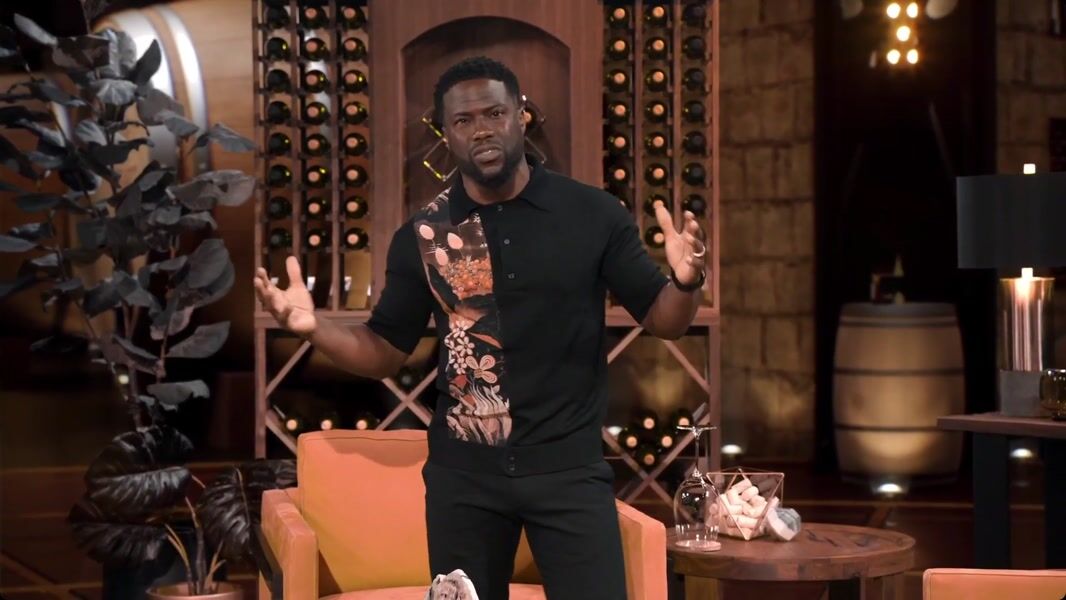
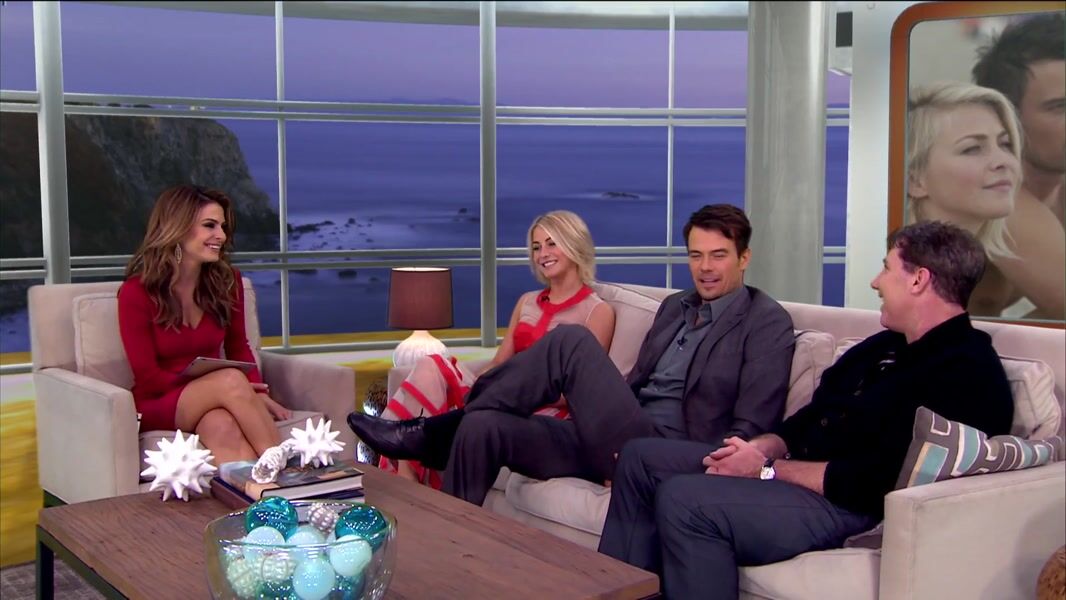
The alternative is a virtual standing set. On our stages the environment is photoreal and composited in camera in real time with our patented CastleVision method, while a real desk, chairs and props dress the foreground. So the host still has something physical to sit behind. Browse the looks on our talk show sets page, or start with the morning show / talk show set in the set library. Because the set is virtual, the same stage can be a late-night look Monday and a morning show Tuesday, that’s how Kevin Hart’s Hart to Heart (NBC/Peacock) got a grand winery set without building a winery.
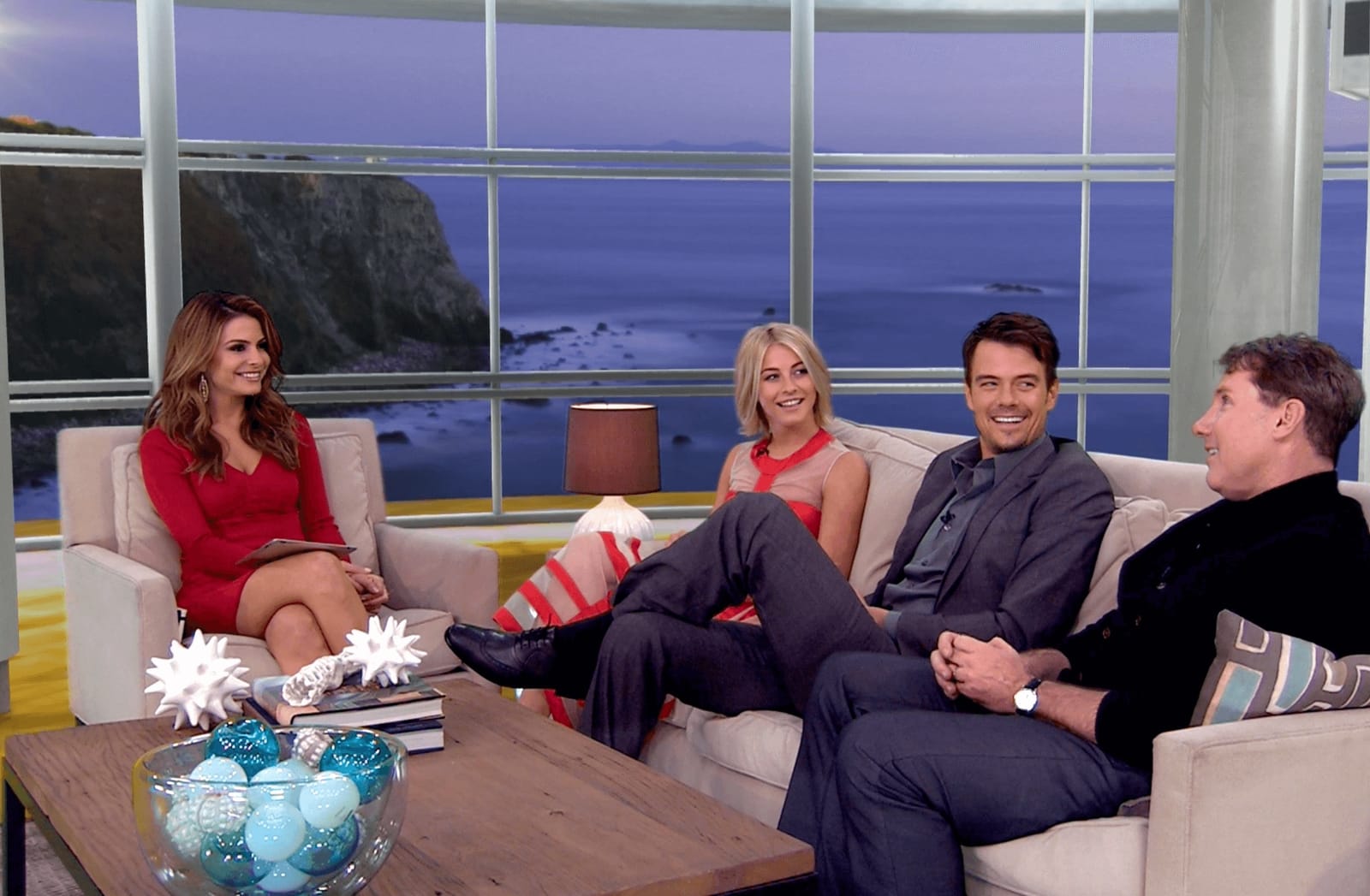
A daytime couch look, with the ocean-cliff view composited live behind the host and guests.
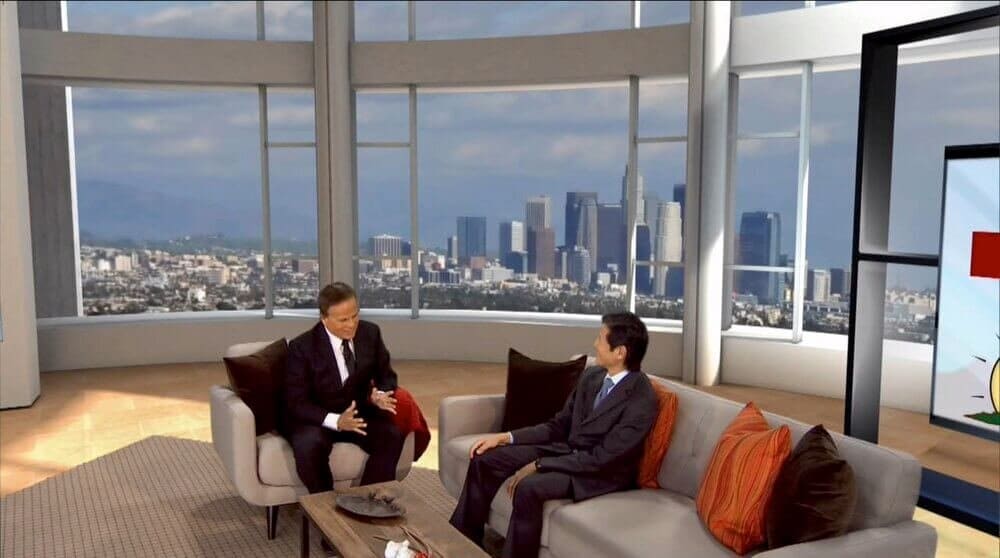
The same stage as a two-chair interview set with a downtown skyline window.
3. Plan three-camera coverage
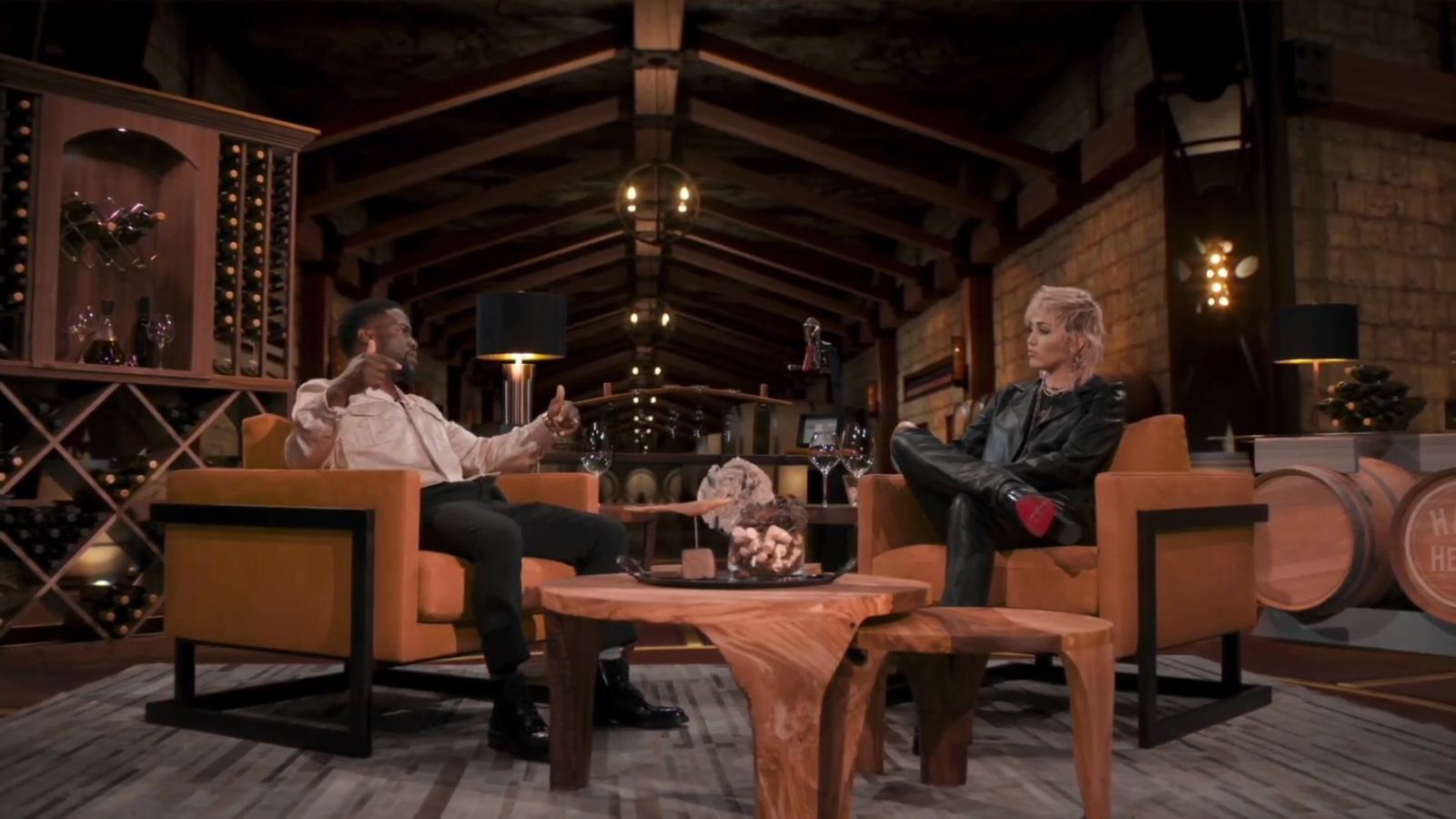
The broadcast standard is three cameras: a wide master, a single on the host, a single on the guest. Add a jib if the budget allows, those sweeping moves over the set are what make an open feel like television instead of a webcast. With three matched angles you can line-cut live or cross-shoot and cut in post; either way the editor is never trapped in one shot while someone talks over a laugh.
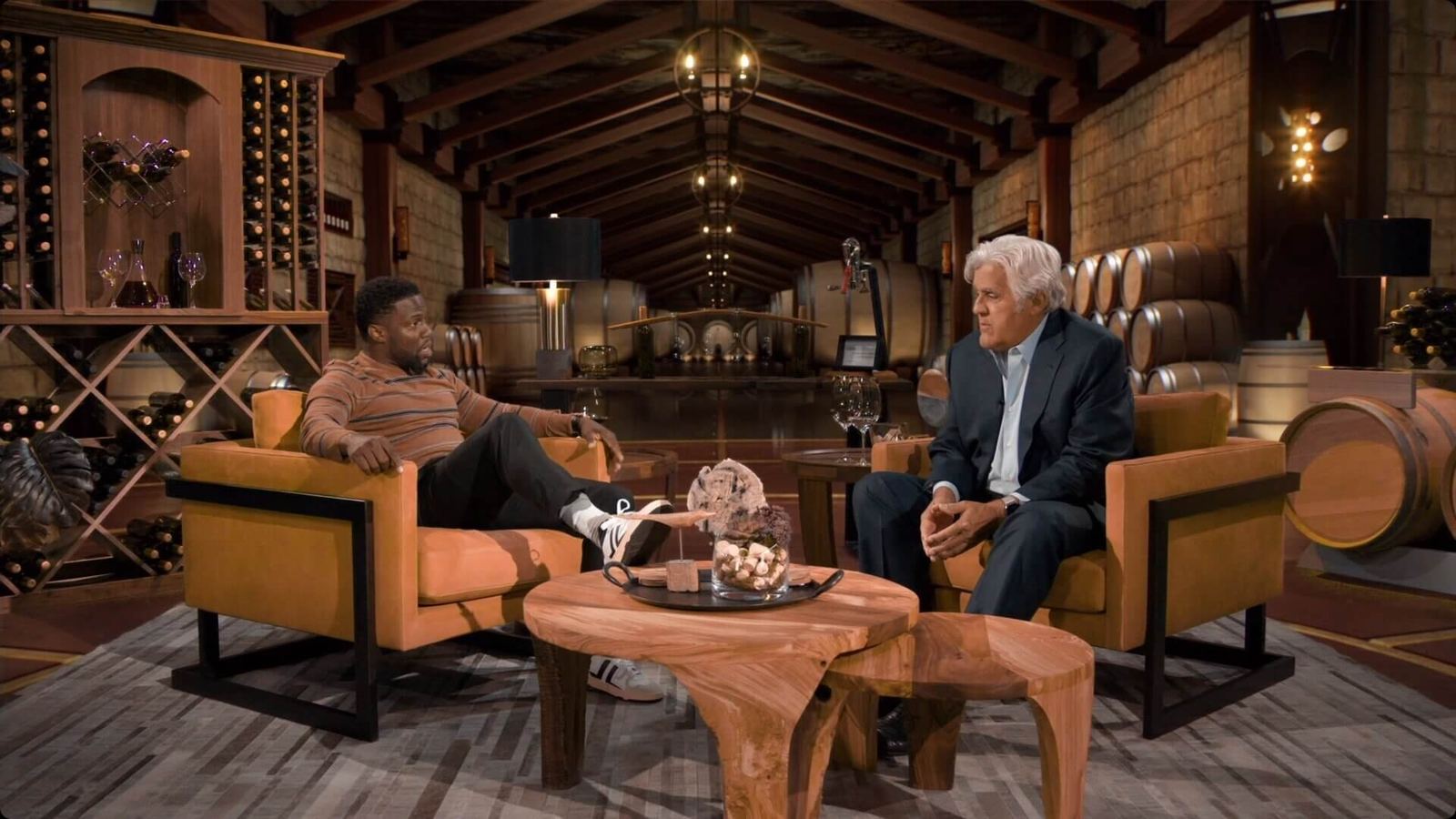
The wide master on the winery set: host and guest framed together, with room for the two singles to cut against.
4. Plan the teleprompter workflow
Hosts read the open, guest intros and segment throws off a prompter. It’s what keeps a scripted show sounding unscripted. Assign someone to operate it (scroll speed follows the reader, not the other way around) and keep the rundown and prompter script in sync, because segment order changes on the day, every day.
5. Crew the day
A lean talk-show crew: director/line cut, three camera operators, audio mixer with lavs for every chair, lighting, prompter op, and a floor manager to move guests. On a stage where lighting and camera support already live in the building, see our TV studio rental page, you’re crewing a record day, not a load-in.
6. Audience or no audience?
A live audience buys real laughter and energy, but it costs seating, wrangling, extra audio and a bigger footprint. Most streaming-era talk shows skip it and shoot intimate. And if your format is really two people in conversation, consider whether it’s actually a podcast-style show with talk-show coverage. Sweetened reactions and tight cutting cover the rest.
7. Decide where to shoot it
Two real options: lease a broadcast studio and build or rent everything into it, or book a stage where the looks, lighting and cameras are already part of the booking, with crew available as an add-on. The first makes sense for a multi-year daily show. For pilots, limited runs, branded series and anything that needs to swap looks between episodes, the second is faster and simpler, one building, one day, broadcast-ready footage out the door.
That second model is what we run in Burbank and Albuquerque: see talk show set rental for the looks and the day, or tell us about your show and we’ll walk you through the looks, the coverage and the day.
Starting a talk show as a podcast rather than a broadcast? The format, gear, distribution and growth decisions are different enough that we wrote a separate guide: how to start a talk show podcast.
Frequently asked
- How do you start a talk show from scratch?
- Lock the format and a repeatable rundown first, then solve the set, coverage and crew in that order. The fastest route to air: rent a stage where the set, cameras and teleprompter already exist, tape a pilot in a day, and iterate the rundown, most of the cost of starting a talk show is infrastructure you can rent instead of build.
- What do you need for a talk show studio setup?
- At minimum: a set (desk-and-chairs, interview lounge, or morning-show couch), three cameras with an operator or locked-off plan for each, lighting keyed for the host and guest positions, lav or boom audio for every seat, a teleprompter for the host, and a switcher or a post workflow to cut the angles. Renting a stage where the set and lighting already exist, like our Burbank or Albuquerque stages, collapses most of that list into one booking, with an optional crew package available to cover the camera and prompter operators.
- How many cameras does a talk show use?
- Three is the standard: a wide master, a single on the host, and a single on the guest. Bigger shows add a fourth camera or a jib for sweeping opening and bumper shots. You can shoot two-camera and cheat cross-shots, but three is the coverage that lets an editor or line cut keep pace with real conversation.
- How do you create a talk show without building a set?
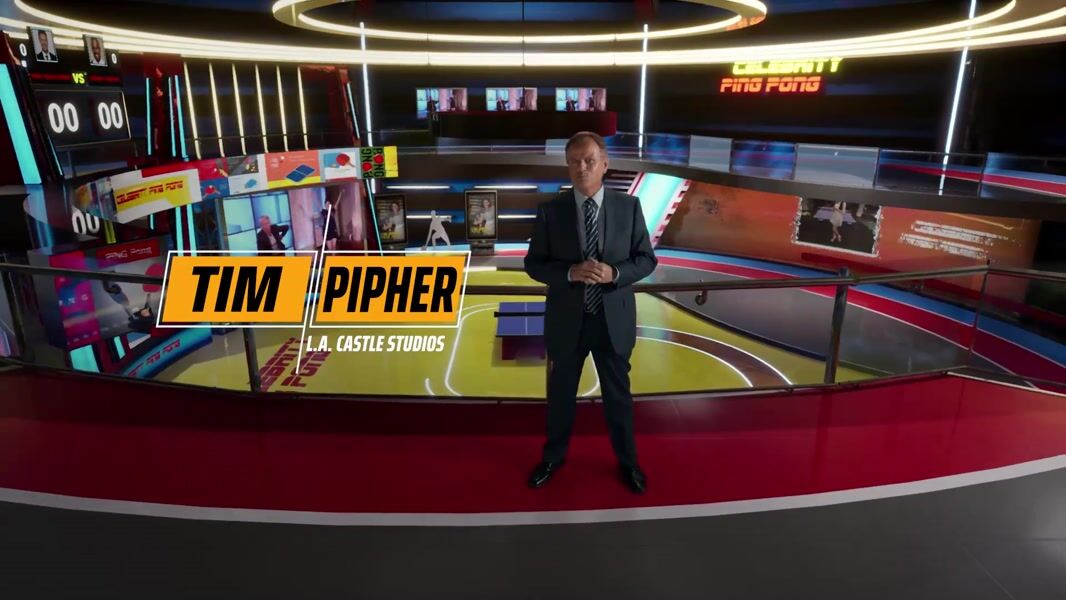
- Shoot it on a virtual production stage. At L.A. Castle Studios the set is a photoreal virtual environment composited in camera in real time with our CastleVision method, pioneered in 2007, now patented, so you walk in, pick a late-night, morning-show or news look, dress the foreground with a real desk and chairs, and record broadcast-ready footage the same day. No build days, no strike days.
Tags: